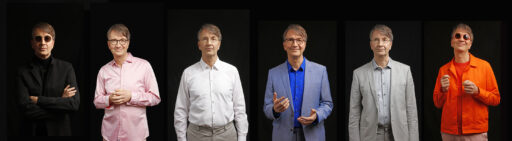
Prof. Dr. Axel Buether – Institute for Evidence-Based Color Psychology
Color works. Knowing how – makes all the difference.
Evidence-Based Color Psychology for Health, Well-Being, and Quality of Life. For Effective Brands, Products, and Living Spaces.
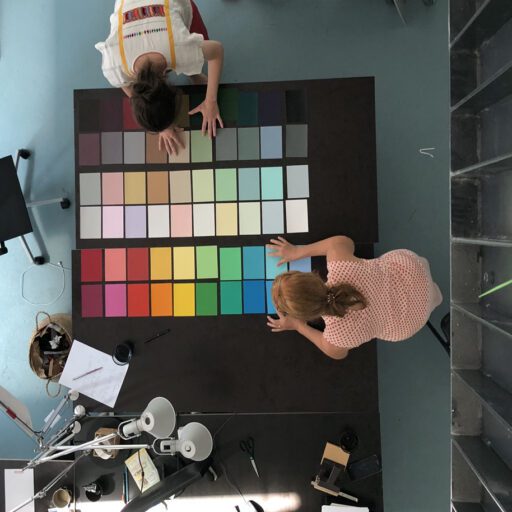
Prof. Dr. Axel Buether studies how colors influence our perception, emotions, and behavior, and what significance they have for our well-being, health, and quality of life.
As a professor of visual communication, founder of the Institute for Evidence-Based Color Psychology, and internationally recognized color expert, he combines scientific research with its practical application in architecture, design, product development, and brand communication.
As a bestselling author, sought-after speaker, and “color expert,” he shares his insights with a broad national and international audience.

Four fields. A scientific basis.
01
Product & Brand
Purchasing decisions are made in seconds – emotionally, unconsciously and significantly influenced by color. But color is not only effective at the point of sale. It is the visual DNA of a brand: it condenses values, personality and promises into a consistent system – across all touchpoints, from the packaging to the digital interface.
Whether a product is recognized and perceived as high quality, whether a brand generates trust, whether a relaunch is successful or fails – color is not a question of detail, but a strategic decision.
Prof. Dr. Buether provides the empirical basis so that decisions are not made intuitively, but based on evidence.
02
Space & Health
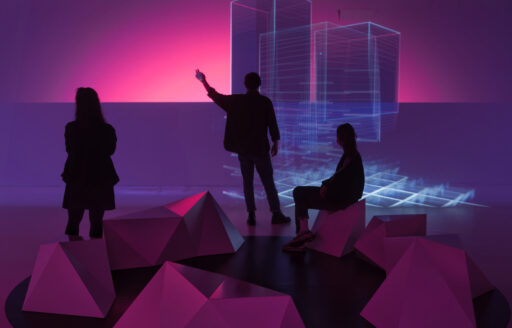
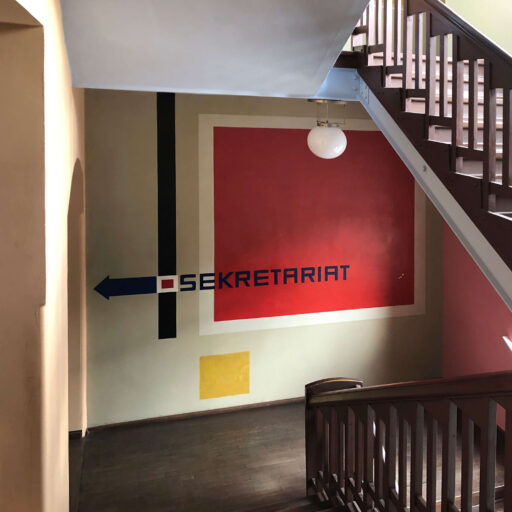
Color atmospheres are created through the interplay of light and material – and have a measurable effect on health, well-being and performance. They influence orientation, safety and behavior in the room – and thus the success of building use.
The institute develops evidence-based color concepts – tailored to use, architecture and light. For a higher quality of stay, less incorrect use and sustainable protection of the investment in existing and new buildings.
03
Art & Culture
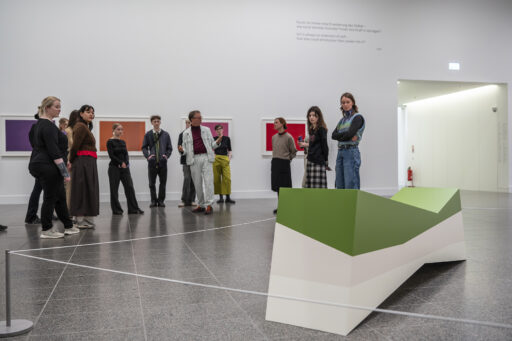
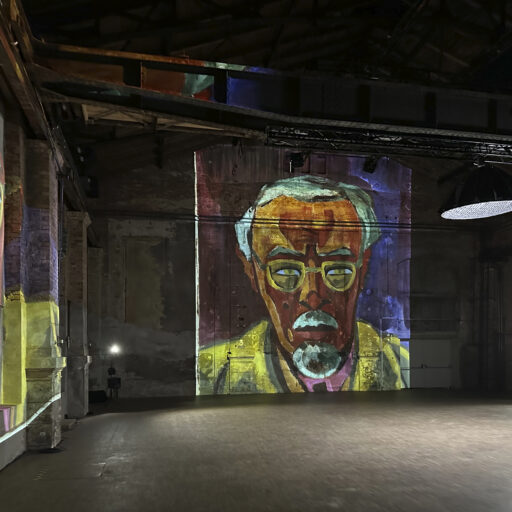
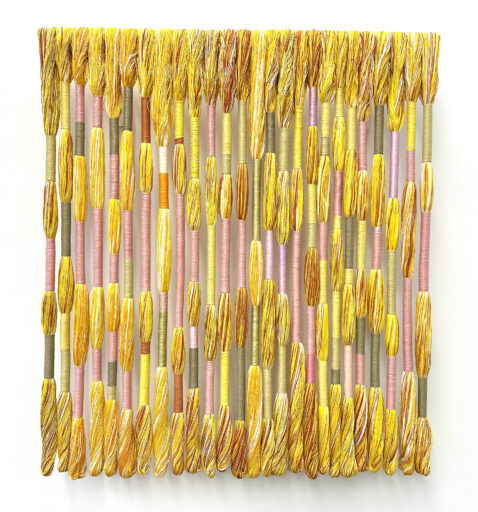
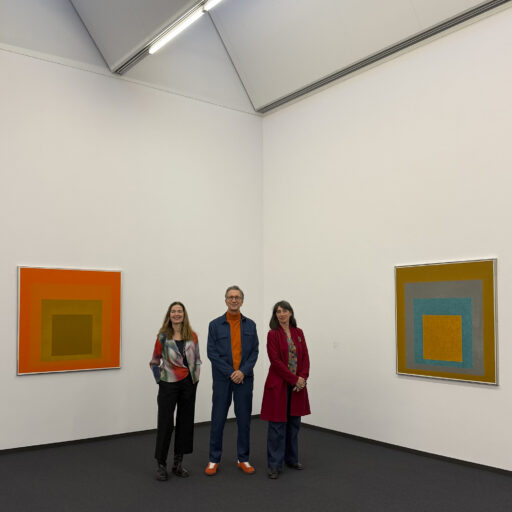
Color shapes how art is created, read and communicated. It controls impact and meaning – often beyond the conscious mind. Prof. Dr. Buether advises museums, cultural institutions and researchers on exhibitions, communication and publications. Based on his own studies on the effects of color – cross-cultural, interdisciplinary and also tested in his own artistic practice.
For exhibitions that have a targeted impact, for communication that makes things understandable, and for publications that provide a sound basis for interpretation.
04
Lectures & Publications
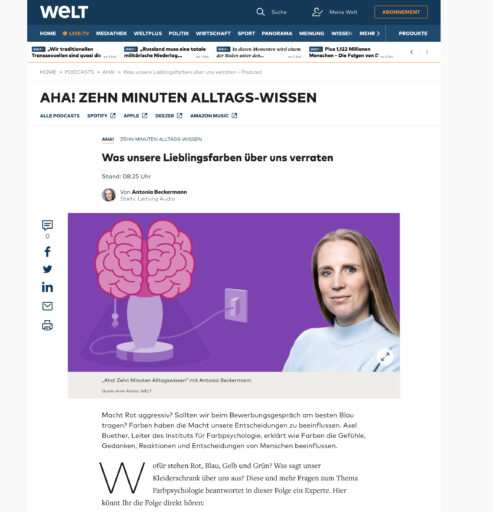
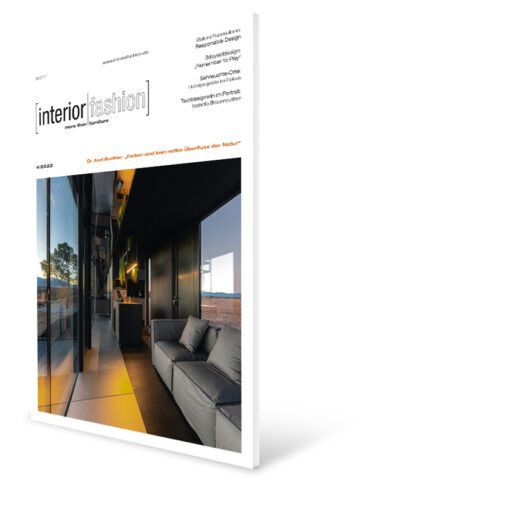
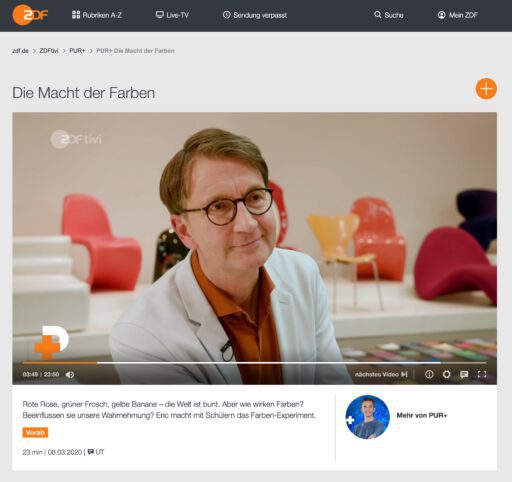
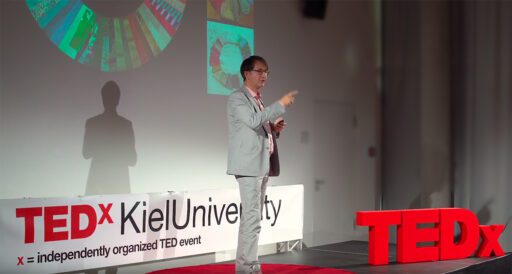
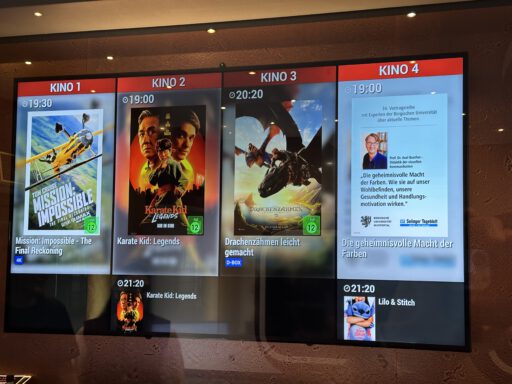
Prof. Dr. Buether is regarded as the explainer of color in the German-speaking world – in science, business and the media. In keynotes and workshops, he makes visible what people experience every day but rarely understand – and translates the effects of color into directly relevant findings in an entertaining and understandable way, based on the latest research.
In demand for presentations, interviews and media formats when complex contexts need to be communicated precisely and effectively. For events that trigger more than just attention: new perspectives, well-founded insights – and an audience that sees the world differently afterwards.
Prof. Dr. Axel Buether
The explorer and explainer of colors
It didn’t start in a laboratory, but in a cathedral.
As a young stonemason, I witnessed in the churches of the Osnabrück region how colored light moved across stone surfaces and transformed the entire space—and, with it, the people. Voices grew quieter; movements slowed. It was an effect that was immediately palpable, yet its cause could not be easily identified.
That experience stayed with me: Why do colors have such a profound effect on us? Why do they exist at all—and what roles do they play in nature, culture, and our lives?
My search for answers led me from architecture to art, then to the psychology of perception, to my doctoral studies, and finally to the founding of the Institute for Evidence-Based Color Psychology. A sensory experience became a scientific endeavor.
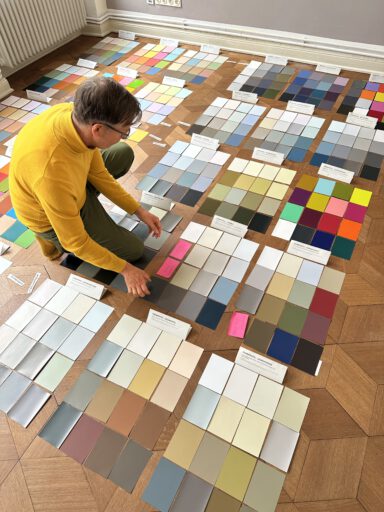
Today, I explore how colors influence our perception, emotions, and behavior, and apply these insights to the design of our living environment—from health and architecture to brands and products. As a scientist, designer, and “color expert,” I make these connections easy to understand and put into practice.
My motivation remains the same: to make the invisible reality behind visible color understandable. For colors arise in our perception. They shape our experiences, our feelings, and our actions—as a language of life that connects us to the world.
SELECTION OF REFERENCES
MEDIA SELECTION
Colors have an effect — objectively and subjectively.
Understanding both changes how we see the world.
Prof. Dr. Axel Buether is the founder of evidence-based color psychology. For the first time, his research combines two levels that were previously considered separately:
Two dimensions of the color effect
Dimension 01 The Objective Effect
How Colors Affect Everyone
Colors fulfill fundamental biological functions: They provide orientation, protection, warning, stimulation, and stability. These effects are rooted in evolution and influence our experiences and behavior—regardless of culture, consciousness, or intention.
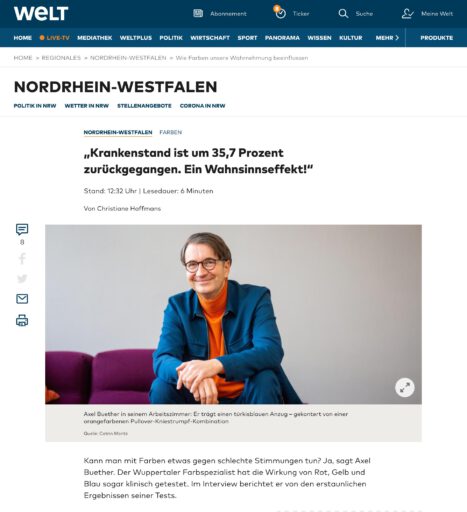
Empirical evidence: 35.7% reduction in sickness absence following evidence-based color and lighting design in a hospital.
Dimension 02 The Subjective Effect
How Colors Reveal Personality
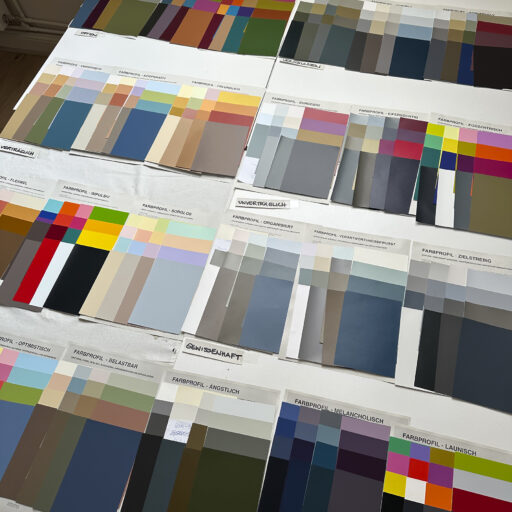
Color preferences are not a matter of chance, but rather an expression of individual personality. They arise from the interplay of disposition, experience, and cultural influences—and can be systematically measured.
Empirical evidence: Strangers were able to correctly predict the personality of the unknown owner based solely on the color wheel of a closet.
The two standard works
OBJECTIVE COLOR EFFECT
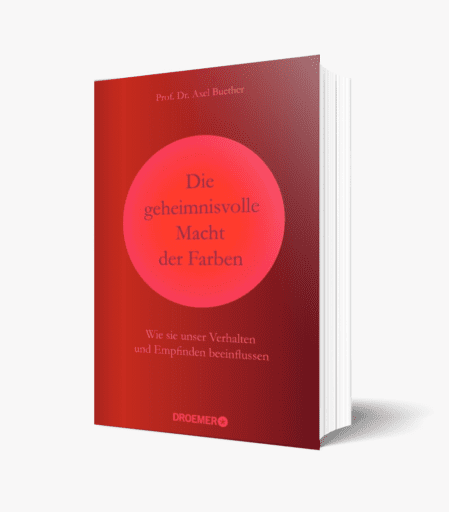
The mysterious power of colors
Bestseller – Droemer

How colors from evolution control our experience and behavior – on well-being, health, decisions and emotions.
The first work to systematically explain these effects, empirically prove them and make them accessible for application.
SUBJECTIVE COLOR EFFECT
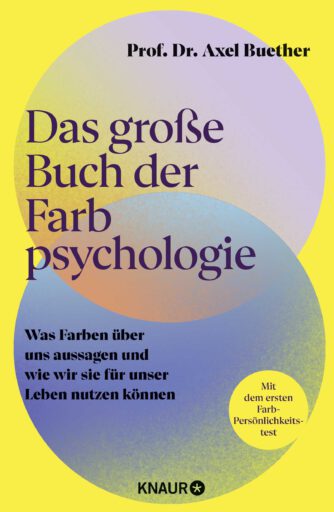
The big book of color psychology
Bestseller – Knaur
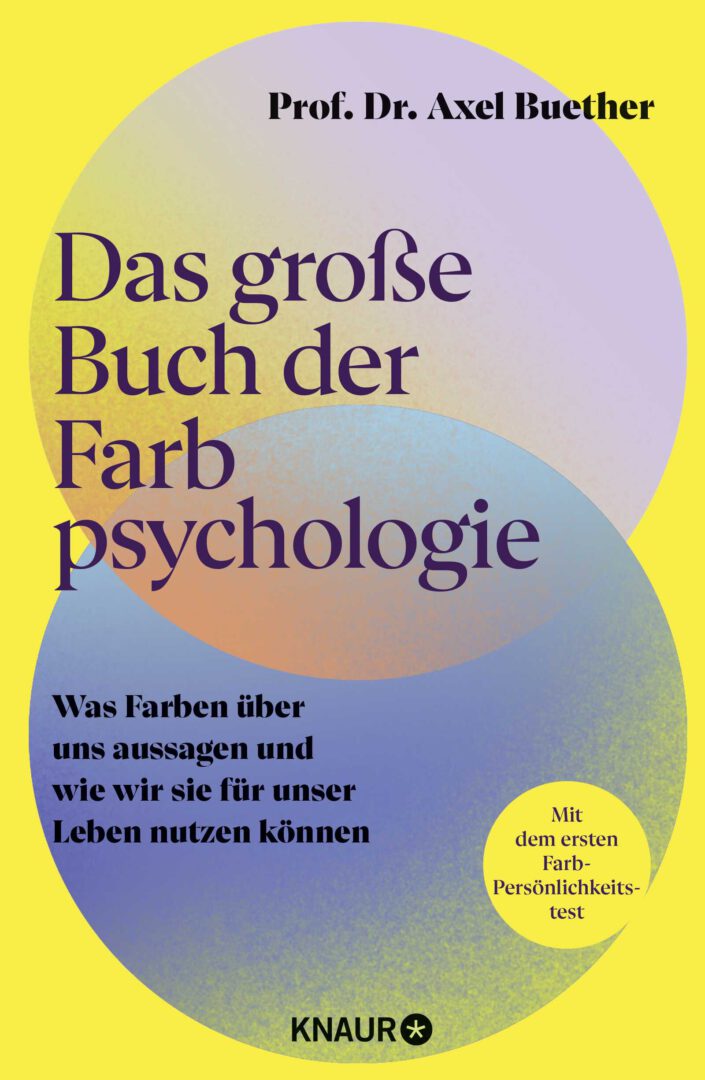
How color preferences make personality visible – and why people perceive, feel and decide differently.
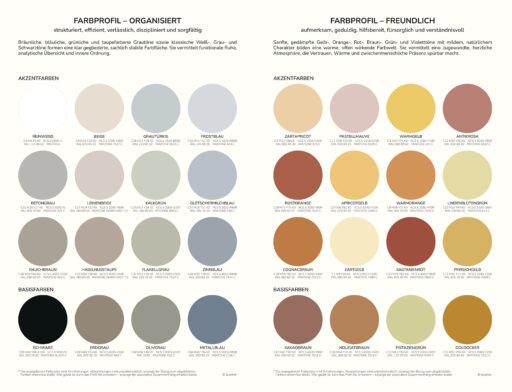
With the first scientifically based color personality test, 30 differentiated color profiles and a model of socio-cultural color worlds.