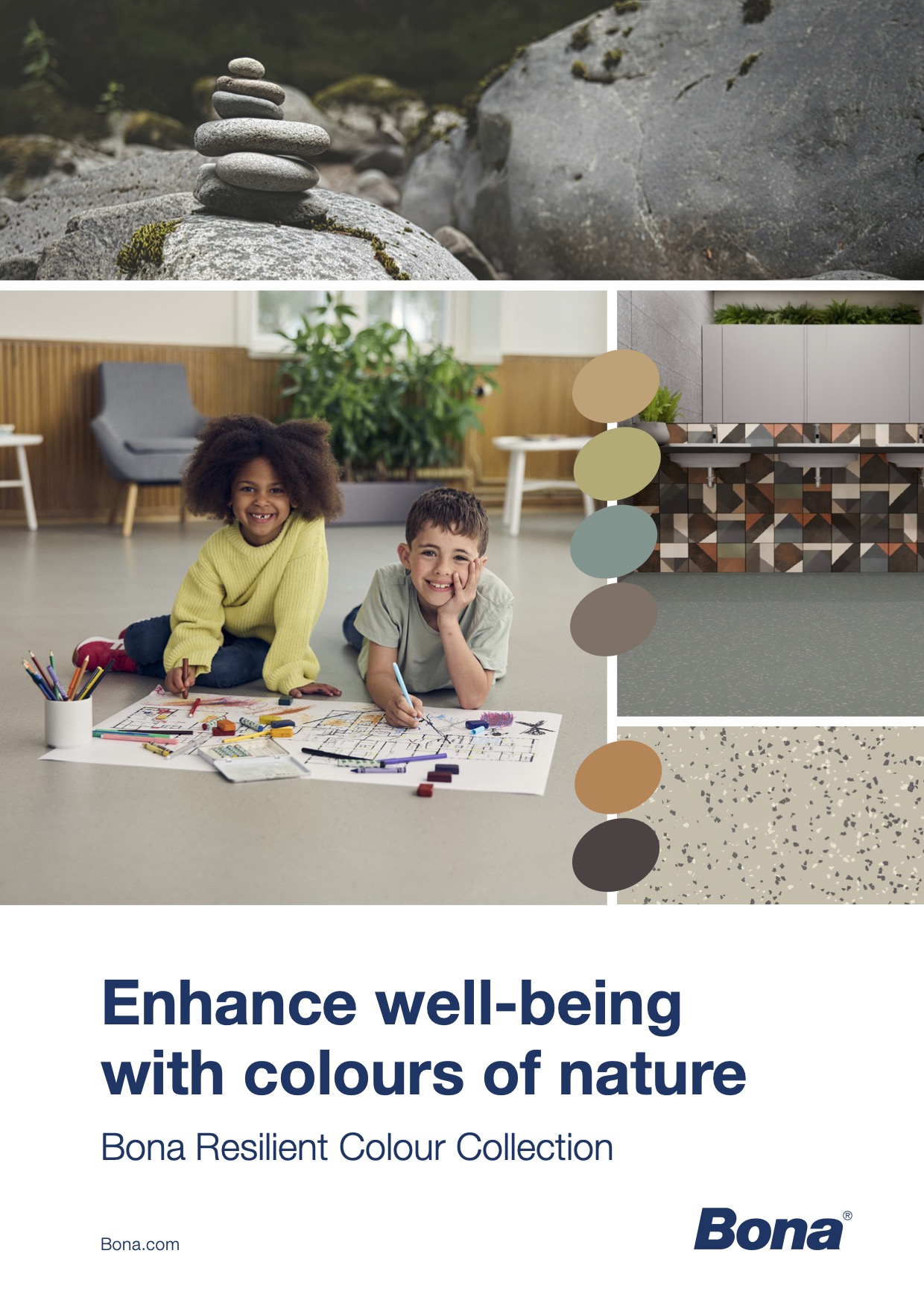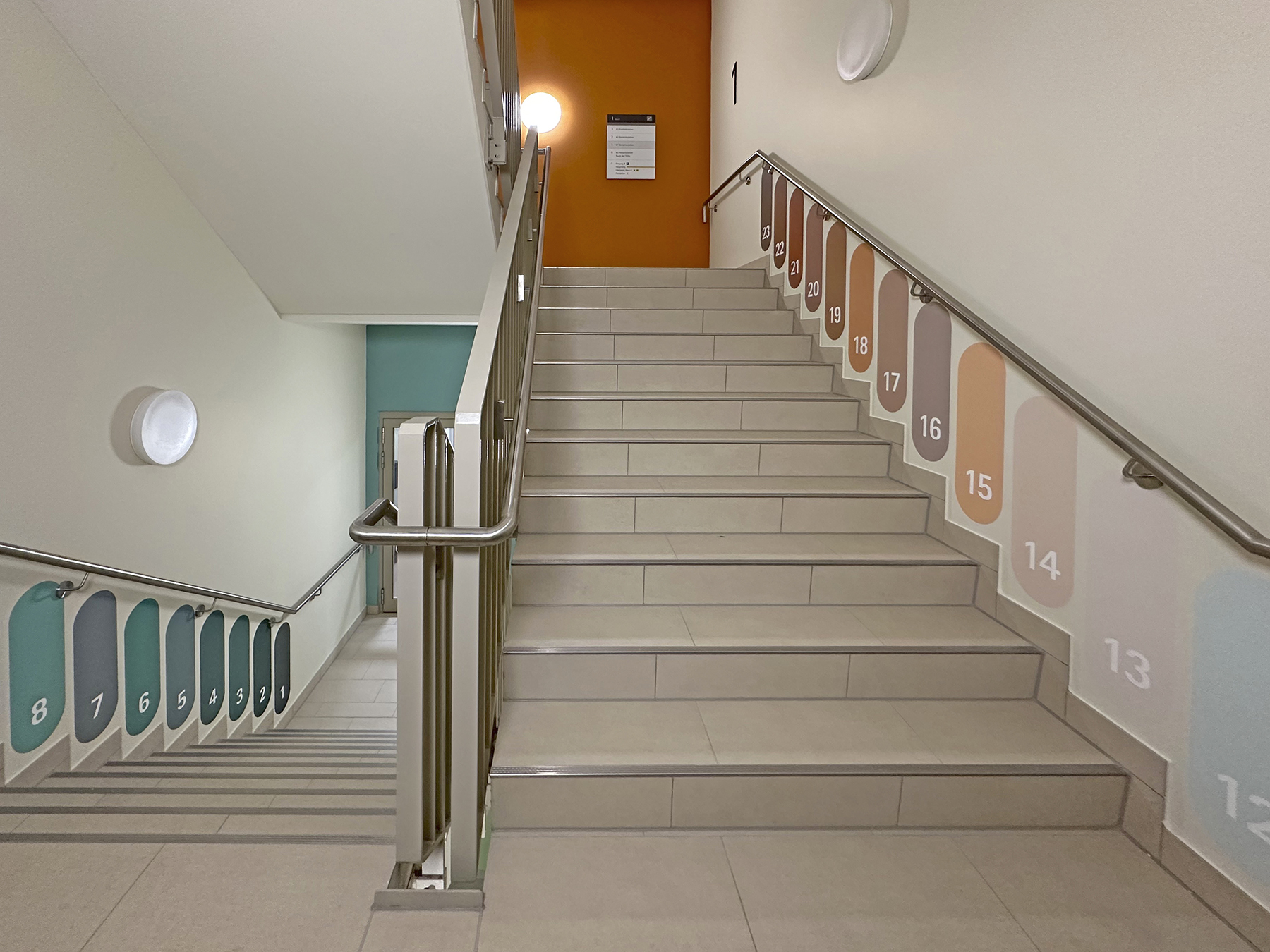
Color is not merely a decorative accessory—it is a fundamental environmental factor that constantly influences the way we think, feel, and act. As the most powerful sensory medium for humans, color has a direct effect on the autonomic nervous system, regulates emotional states, and is thus a key factor in shaping atmosphere, quality of life, and health.
In my presentation, I explain the scientific foundations of color psychology and demonstrate how its findings can be applied to key areas of life—from architecture and product design to medicine. Building on evidence-based research into the effects of color on human well-being, recovery, and performance, it becomes clear that color is far more than a matter of taste: It can be planned, measured—and is effective.
In the second part, I apply this approach to the design of outdoor spaces—in the context of the fair’s main theme, “Design Gardens.” The focus here is on current color trends, their psychological significance, and specific examples of their application: How does the color scheme of gardens, patios, and BBQ areas influence their use, the atmosphere, and the quality of the experience? Which colors promote retreat and relaxation, and which encourage social interaction and activity? And how can these effects be specifically incorporated into product and spatial designs?
Whether it’s furniture, planters, surfaces, or wayfinding systems—color is a crucial factor in successful design. It combines function with emotion, sensuality with science—and opens up new perspectives for health-promoting design in outdoor spaces.
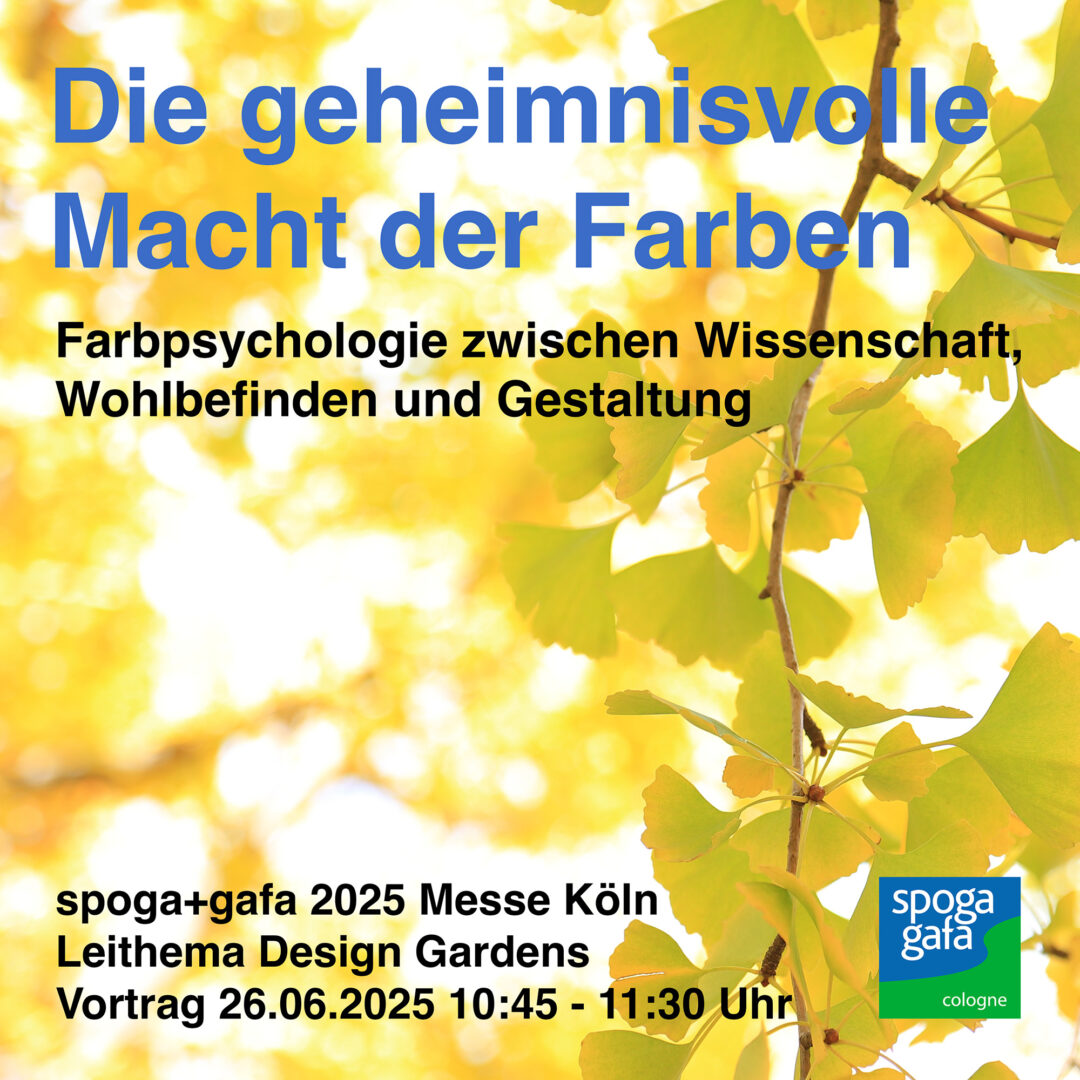
June 26, 2025 | 10:45 a.m. – 11:30 a.m. Main Theme: Design Gardens
Link to the organizer, Messe Köln