Spaces influence how we feel, orient ourselves, and behave. Color and light shape the atmosphere, sense of security, and perception of stress. This makes interior design an important environmental factor for well-being, health, and quality of life.
Evidence-based color psychology examines these relationships using methods from the psychology of perception and empirical research. It lays the foundation for color and lighting concepts that are guided by people’s needs—rather than merely by aesthetic preferences.
Whether it’s healthcare facilities, schools, workplaces, or public spaces: the requirements may vary, but people are always at the center. Scientifically grounded color schemes can promote orientation, relaxation, concentration, and a sense of appreciation.
Prof. Dr. Axel Buether combines scientific color research with architectural and design practice. He assists building owners and planning teams in the analysis, development, and evaluation of health-promoting color concepts for new construction and existing buildings.
Services
Analysis & risk assessment
- Empirically based analysis of existing color and lighting concepts in buildings and interiors – with regard to orientation, stress and well-being of users.
- Identification of design risks and functional deficits before conversion, refurbishment or new construction – for well-founded decisions in existing buildings and in planning.
- Expert opinions on color and lighting effects for building owners, operators and decision-making processes.
Strategy & conception
- Development of evidence-based color and lighting concepts for new buildings, conversions and existing buildings.
- Systematic design of color atmospheres to promote health, orientation, motivation and safety.
- Target group-specific concepts for different uses – e.g. healthcare buildings, education, working environments, care, public spaces.
- Integration of color in architectural, functional and technical planning processes.
Implementation & quality assurance
- Support for planning and construction processes – from the design phase to realization.
- Coordination with architecture, interior design, lighting design and executing trades.
- Definition of precise color and material systems as well as quality standards for implementation.
- Ensuring the conceptual effect in the built space – even under real lighting and usage conditions.
Your added value
Wrong decisions in color and lighting design lead to disorientation, stress, inefficient processes and avoidable follow-up costs – especially in sensitive areas such as healthcare buildings, education and working environments.
Evidence-based color concepts create spaces that work: They improve orientation, reduce stress, promote well-being and sustainably increase the quality of use.
Are you planning a new build, a refurbishment or would you like to specifically improve the effect of existing rooms?
Talk to us.
Current projects
-
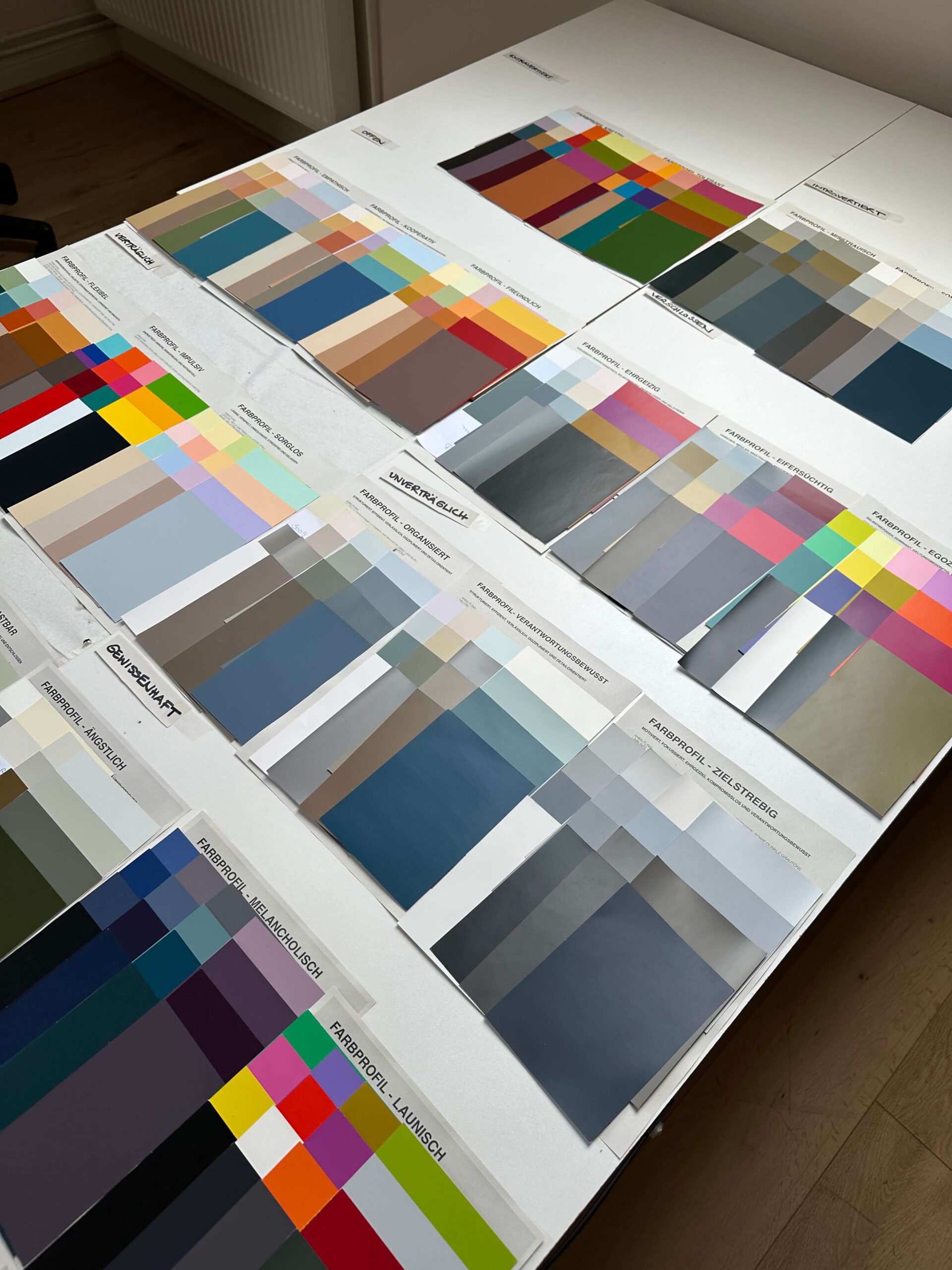
Why do colors exist in the first place? What biological and cultural functions do they…
-
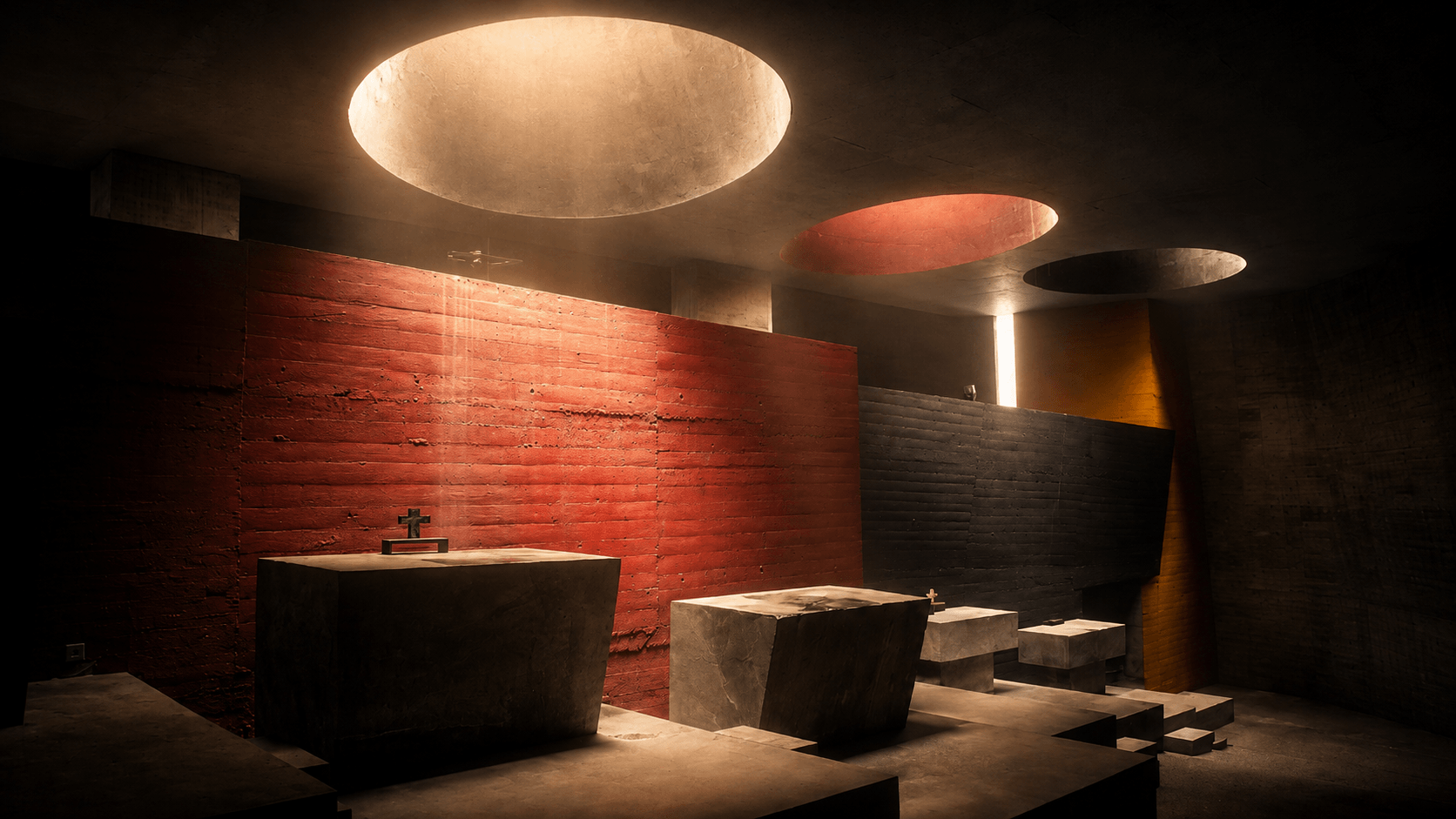
For Le Corbusier, color was not merely a decorative element, but an essential tool for…
-
-
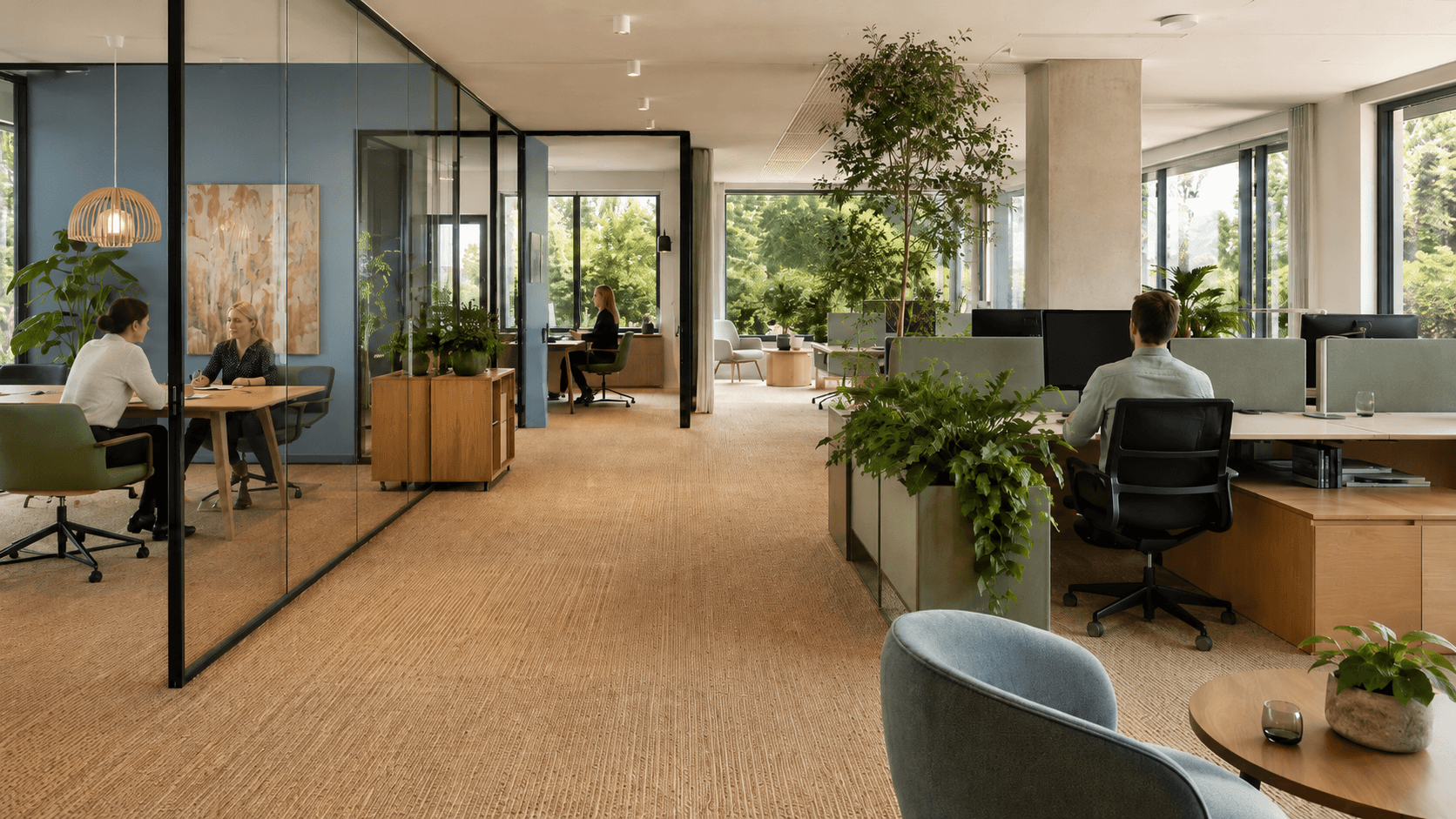
My new article in *Betriebliche Prävention – Arbeit, Gesundheit, Unfallversicherung* (Occupational Prevention – Work, Health,…
-
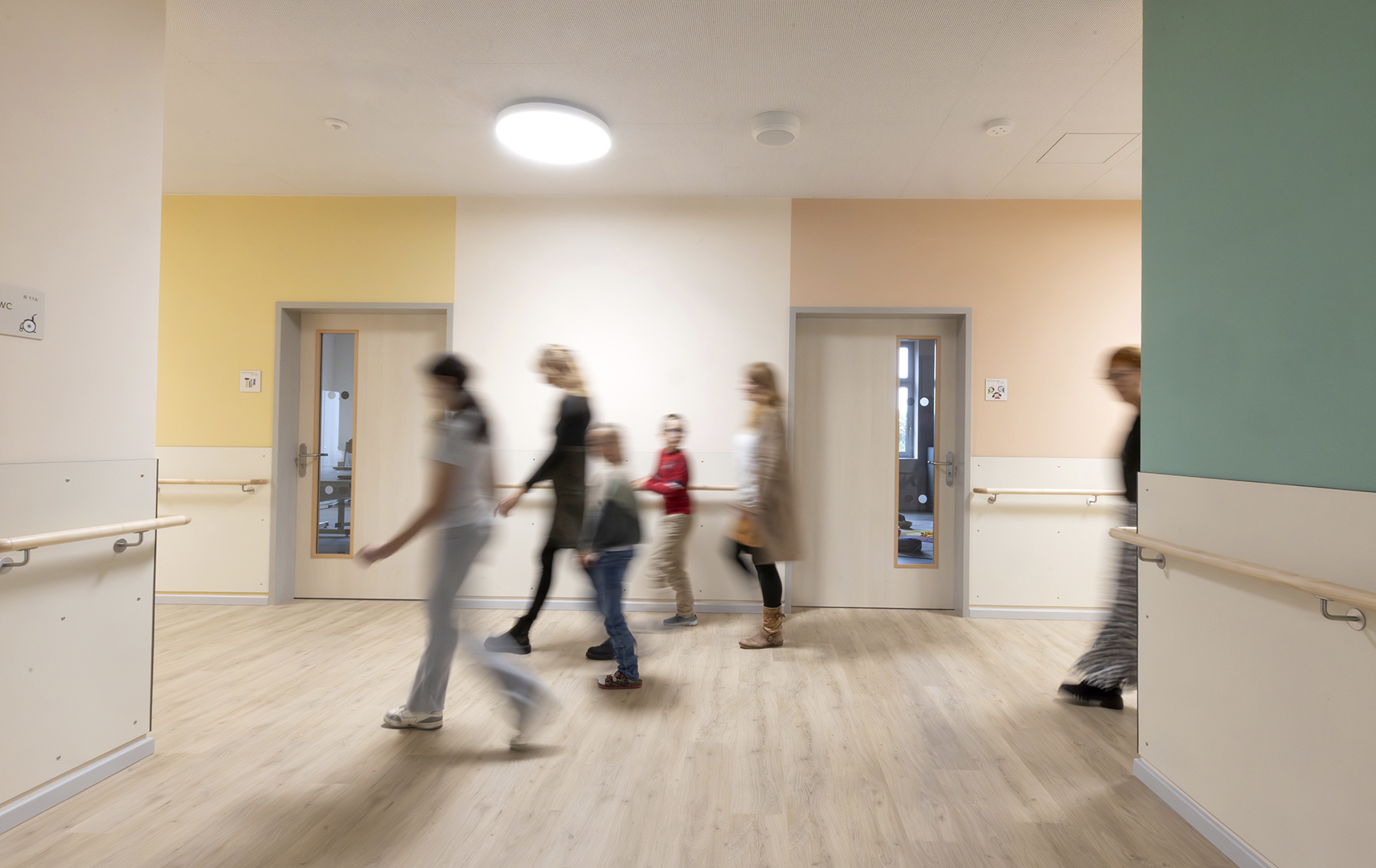
A new study shows that evidence-based color design improves well-being, orientation, concentration, school enjoyment and…
-
How Color-Coordinated Rooms Can Alleviate Anxiety and Improve the Emotional Well-Being of Breast Cancer Patients…