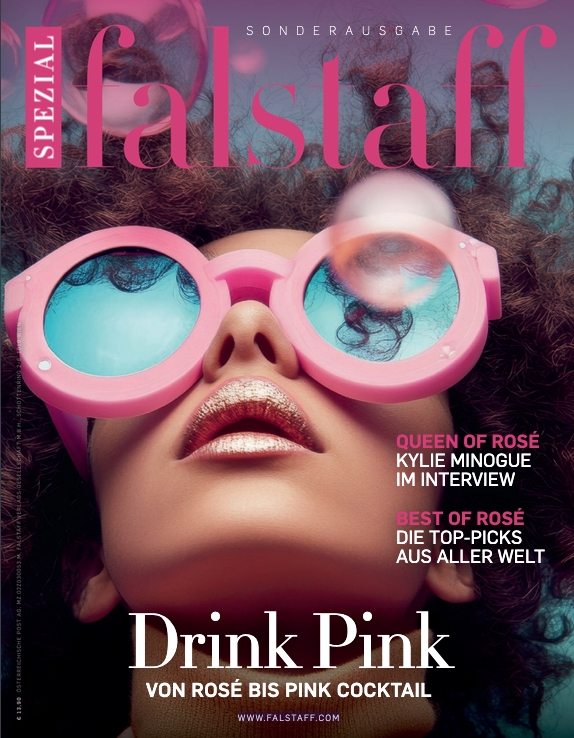
Color shapes the way we perceive, experience, and understand art. Sie lenkt Aufmerksamkeit, erzeugt emotionale Resonanz und beeinflusst ästhetische Erfahrungen – häufig schon bevor wir bewusst über Bedeutungen und Interpretationen nachdenken.
Evidence-based color psychology examines why and how colors affect people. It combines insights from the psychology of perception and evolutionary biology with cultural experiences, thereby broadening perspectives in art history.
Whether it’s a museum, an exhibition, or a cultural institution, scientific insights into the effects of color open up new possibilities for design, presentation, and education. They help make art a sensory experience and engage visitors in a more targeted way.
Prof. Dr. Axel Buether combines scientific research on color with artistic and design practice. He supports cultural institutions in their research, exhibition planning, and educational outreach—with a particular focus on the human experience.
Services
Analysis & Research
- Empirical investigation of the effect of color in abstract and representational art.
- Cross-cultural studies on the effect of color in different social, religious and historical contexts.
- Research at the interface of perception, evolutionary biology and cultural visual practice.
Consulting & conception
- Advising museums, exhibitions and cultural institutions on the targeted effect of color in presentation and communication.
- Conception of exhibitions with a focus on color, perception and painting.
- Development of communication formats that make perception tangible and translate complex content in an understandable way.
- Accompanying curatorial processes at the interface of design, perception and meaning.
Publication & artistic practice
- Contributions to exhibition catalogs, specialist publications and scientific works on the effect and meaning of color.
- Own artistic projects and installations – often in an international context, including in collaboration with cultural institutions.
- Linking research, mediation and artistic practice to an integrative understanding of color.
Your added value
Art is usually understood through meaning – its effect often remains unreflected. But it is precisely here that it is decided whether it is understood, experienced and remembered.
Evidence-based color psychology expands this approach: it combines biological principles of perception with cultural structures of meaning – and thus creates a new depth in analysis, communication and design.
Are you planning an exhibition, a research project or a publication on the subject of color?
Talk to us.
Current projects
-
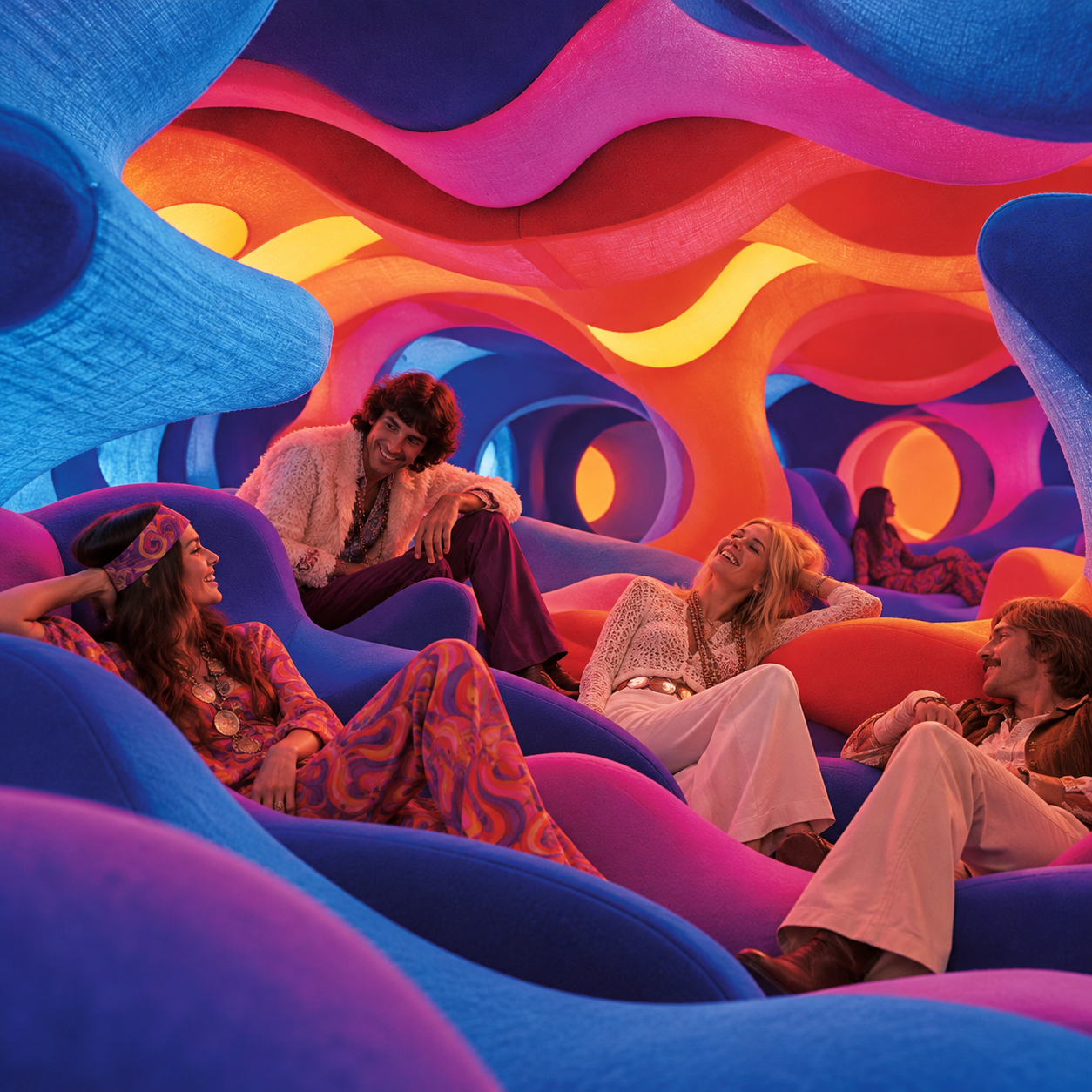
How much of Verner Panton’s radical world of color and space still resonates today? And…
-

Why the Colors of Nature Resonate with Us Right Now Beige doesn’t make a big…
-
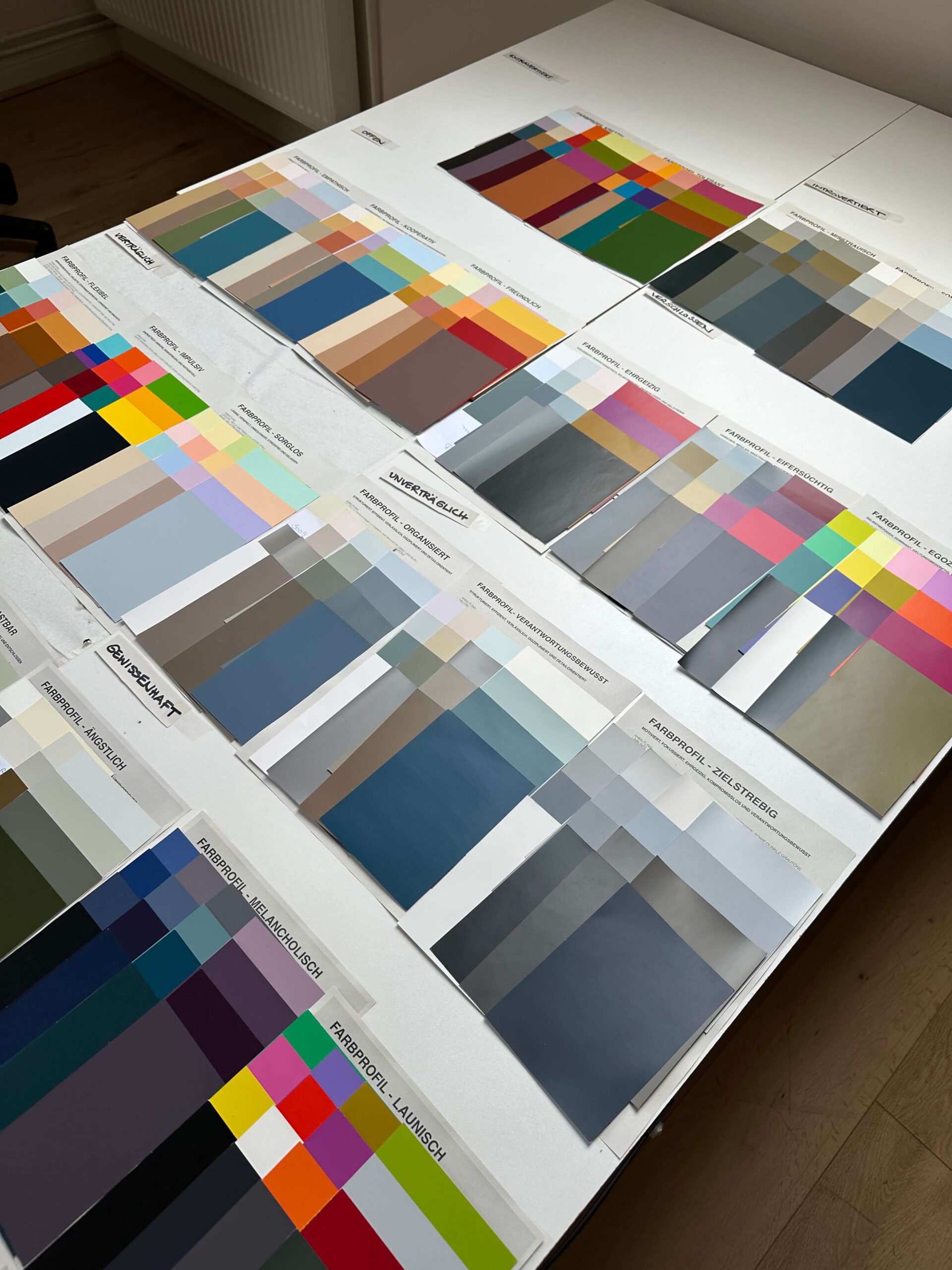
Why do colors exist in the first place? What biological and cultural functions do they…
-

A few years ago, in a British nightclub, the same woman became three different people…
-
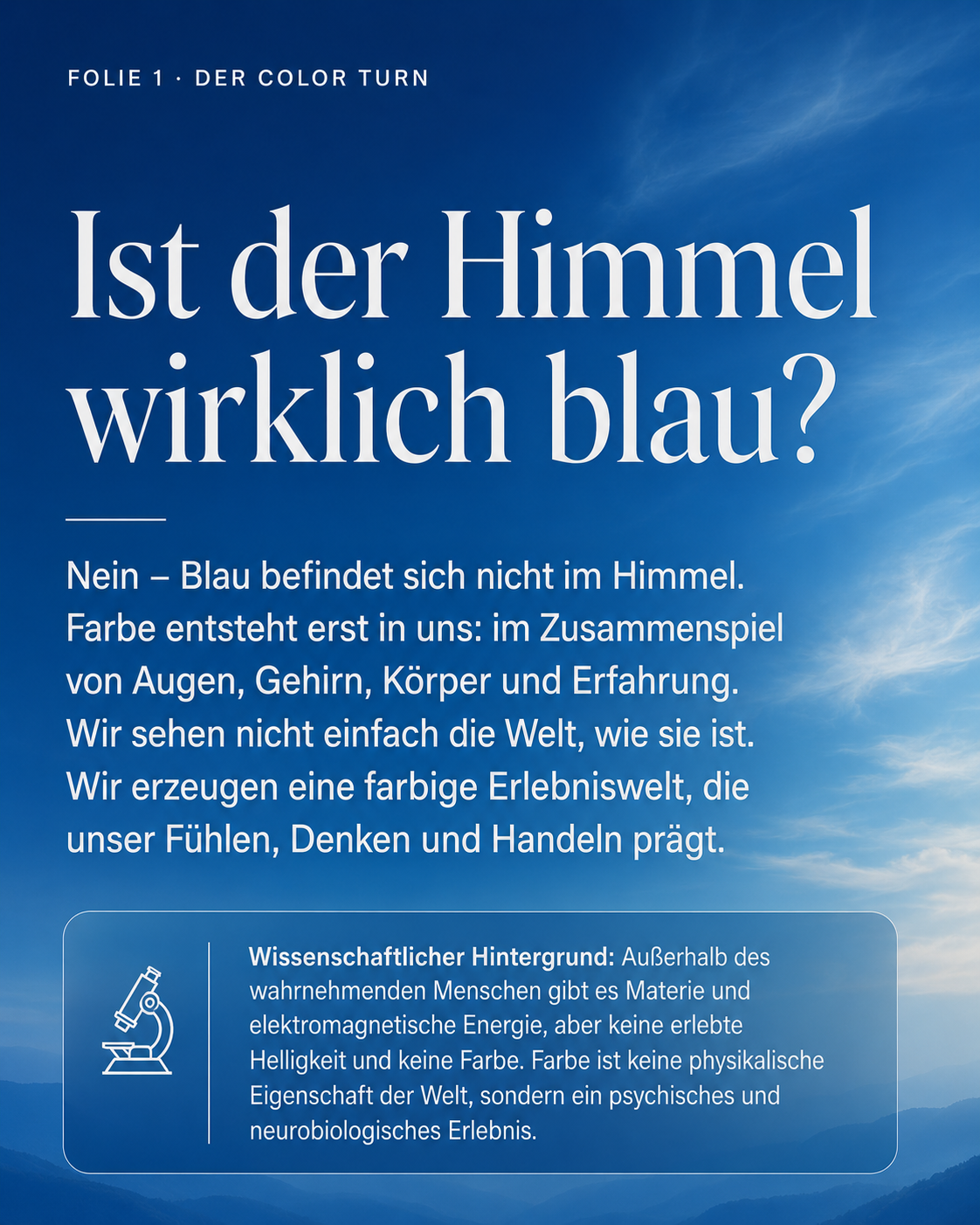
Hardly any other color touches people as directly as blue. On a summer day, we…
-