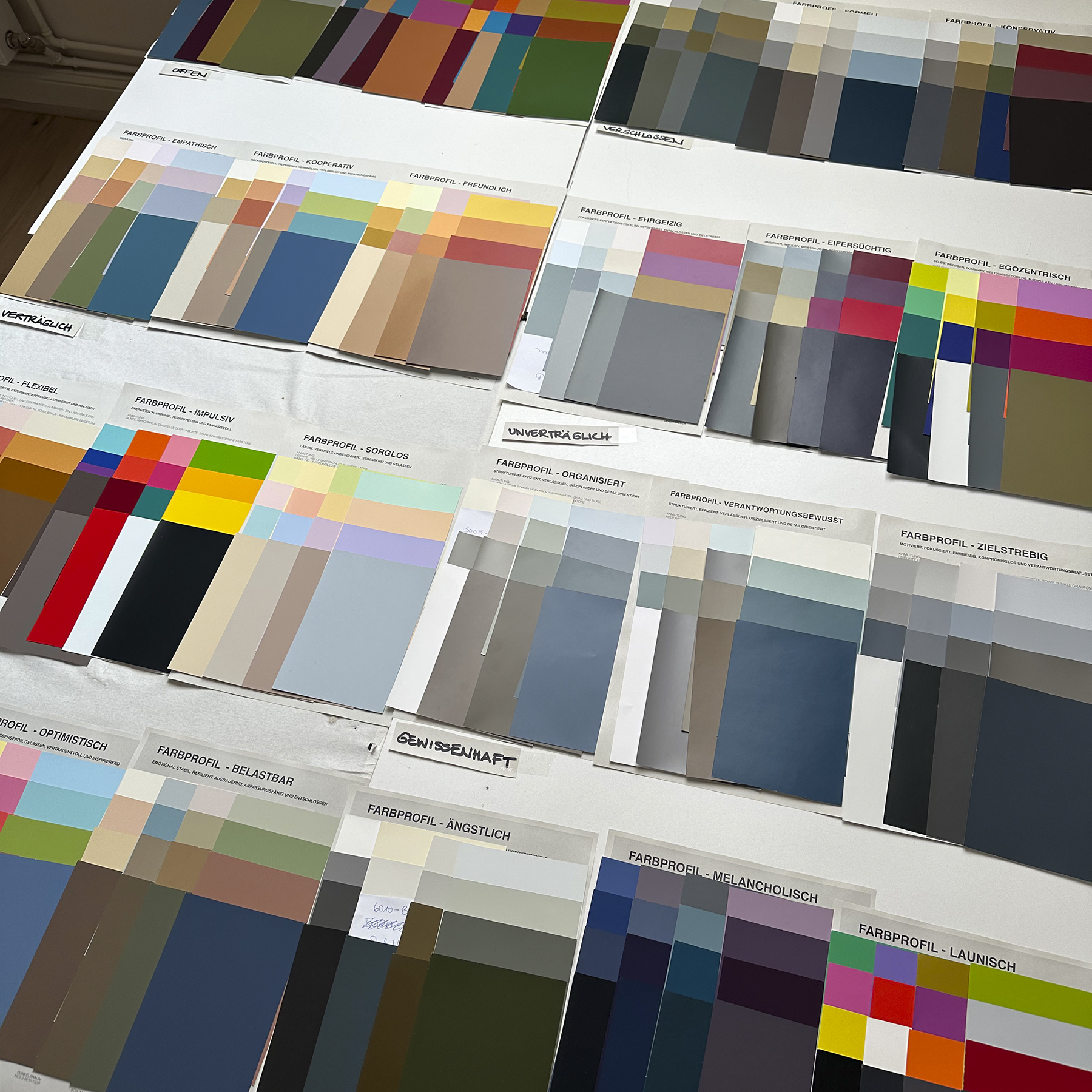

Colors have a profound impact on the world of sighted people: they define spaces, convey emotions, direct attention, and carry deep cultural and psychological significance. For blind and visually impaired people, however, these effects usually remain implicit—they have an impact without being immediately perceptible to the eye.
This lecture is primarily aimed at blind people—both those who have been blind since birth and those who have lost their sight but retain visual memories—as well as sighted people who are interested in a nuanced, thoughtful exploration of color psychology.
The focus is on the psychological effects of colors, understood as emotional, semantic, and cultural phenomena. Color is not shown directly, but is explored linguistically, metaphorically, and through multiple senses: through descriptions, contextual meanings, everyday examples, and connections to other sensory modalities.
The lecture sheds light on how approaches to color can differ depending on one’s perceptual background, and reflects on the unique perspectives of blindness, low vision, and visual memory. The goal is not to replace visual sight, but to make knowledge about the world of sighted people accessible—in an evidence-based, respectful, and non-simplistic way.
The approach is based on findings from color psychology, perceptual and cognitive psychology, and multisensory research, and deliberately avoids the use of visual presentations.
Organizer: PRO RETINA Wuppertal Regional Group
Date and Time: Saturday, May 9, 2026, 2:00 p.m. – 4:00 p.m.
FÄRBEREI e.V. Center for Integration and Inclusion
42275 Wuppertal Peter-Hansen-Platz 1