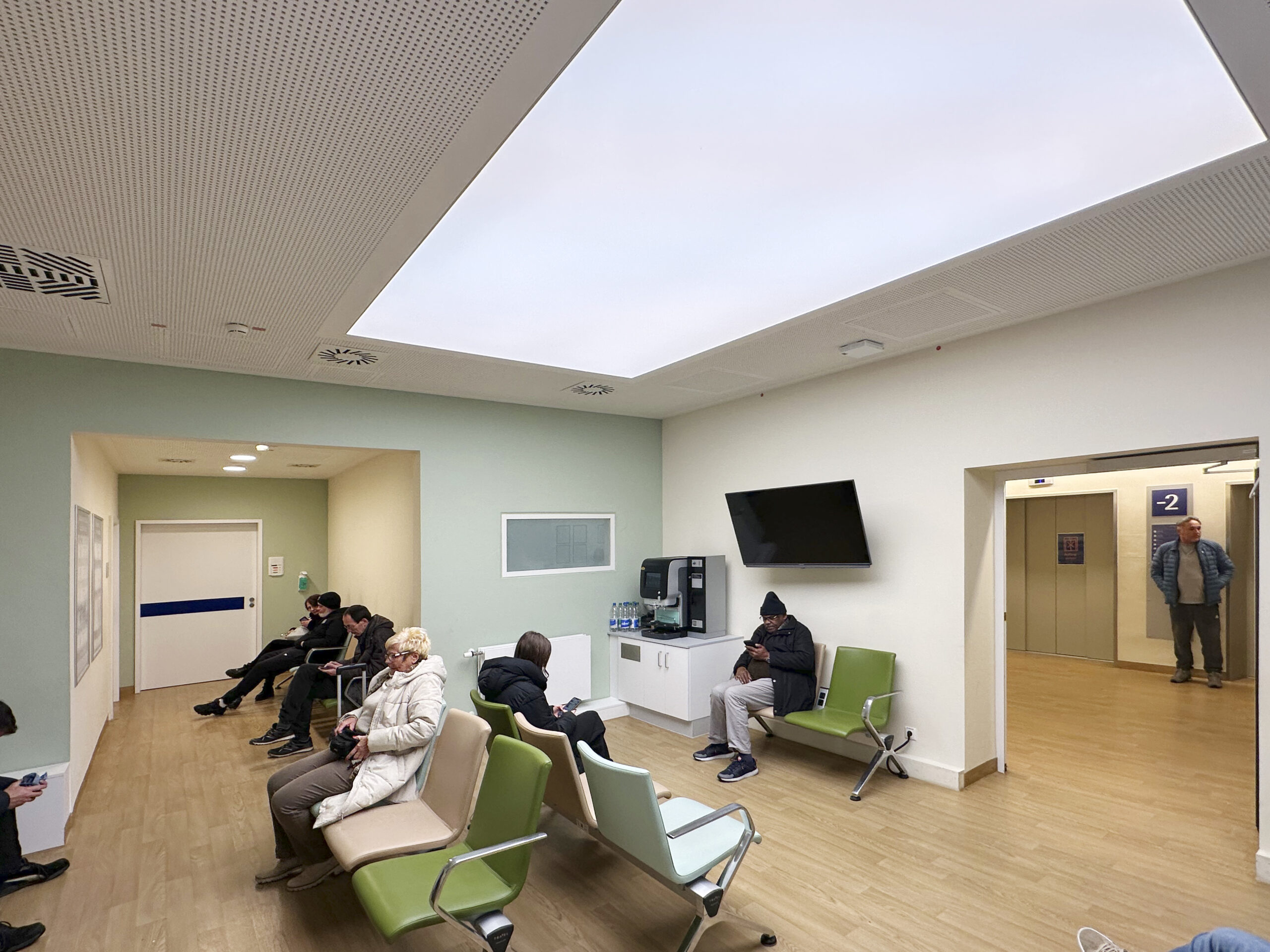
Where are the colors of our world to be found?
I am very pleased to present my new article , “Color Follows Effect—On the Effects of Color in Architecture,” in the latest issue of COLORE magazine. As the founder of modern, evidence-based color psychology, I am committed to shedding light on the essential role of color in architecture and in everyday life.
Why Color Is More Than Just Decoration
Colors are not merely superficial elements. They are a fundamental tool for building connections that link people to their surroundings. My article answers key questions such as:
- Where is color really “located”? Is it on the surfaces of things or in our minds?
- How does color affect our experiences and behavior? What biological, psychological, and cultural factors influence this effect?
- Why is color design so crucial to the quality of life in built spaces?
I dispel old misconceptions that dismiss color as purely subjective or of secondary importance, and demonstrate that colors have a profound effect on our well-being, our health, and our motivation to act.
A new principle: “Color follows Effect”
While the famous modernist maxim “Form follows Function” emphasized efficiency and simplicity, with “Color follows Effect” I advocate an approach that focuses on the impact of colors. Color must not—and should not—be used arbitrarily or for purely aesthetic reasons; its selection must be guided by the intended effect it has on people.
In this article, I explain:
- How colors can be used strategically as a design element in architecture.
- Why the interplay of light and color is crucial to the atmosphere of a room.
- The role architects and designers play in color design to improve people’s quality of life.
Color as Symbols and Tools
Colors are just as meaningful as words or music. They provide orientation, convey meaning, and evoke emotions. Due to the historical trend toward monochromatic design, the local color that was once characteristic of many regions and cultures has been lost in many places. My article explores why this loss is significant not only visually but also psychologically, and how we can consciously use colors as symbols to make living spaces meaningful and identity-forming once again.
Responsibilities and Opportunities in Color Design
Color schemes have a major impact on architecture and people’s well-being. From the arrangement of windows to the choice of lighting—every decision influences how we perceive spaces. Color is far more than just a decorative element: it is an integral part of any successful design that addresses people’s needs.
This article provides a solid foundation for architects, designers, and anyone interested in exploring the effects of color.
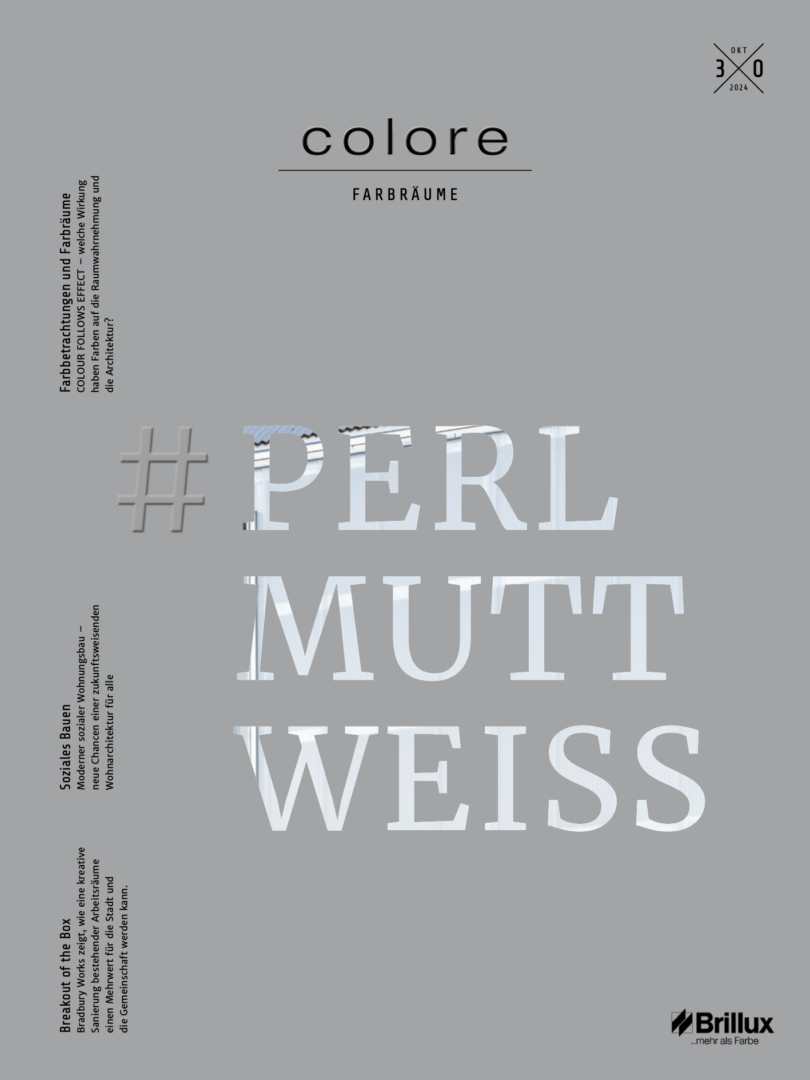
📖 Read the full article in COLORE magazine and discover how colors can positively influence your life and the built environment. You can download the entire magazine for free on the publisher Brillux’s website. colore Issue 30, Pearl White | The Color Magazine
Links to my previous columns in COLORE
Color Psychology for Architects. Why We Design Not Colors, but Needs, Wishes, and Desires: colore Issue 29 Peach Yellow | The Color Magazine
Color Psychology for Architects. A New Perspective on Color Design: colore: Issue 28 | The Color Magazine