Violence in hospitals is on the rise—an alarming problem that is particularly evident in emergency rooms. Overwhelmed patients, anxious family members, and long wait times create a volatile mix that often leads to verbal or physical aggression toward staff. But our latest intervention shows that a thoughtfully designed spatial environment can have a significant positive impact on people’s behavior.
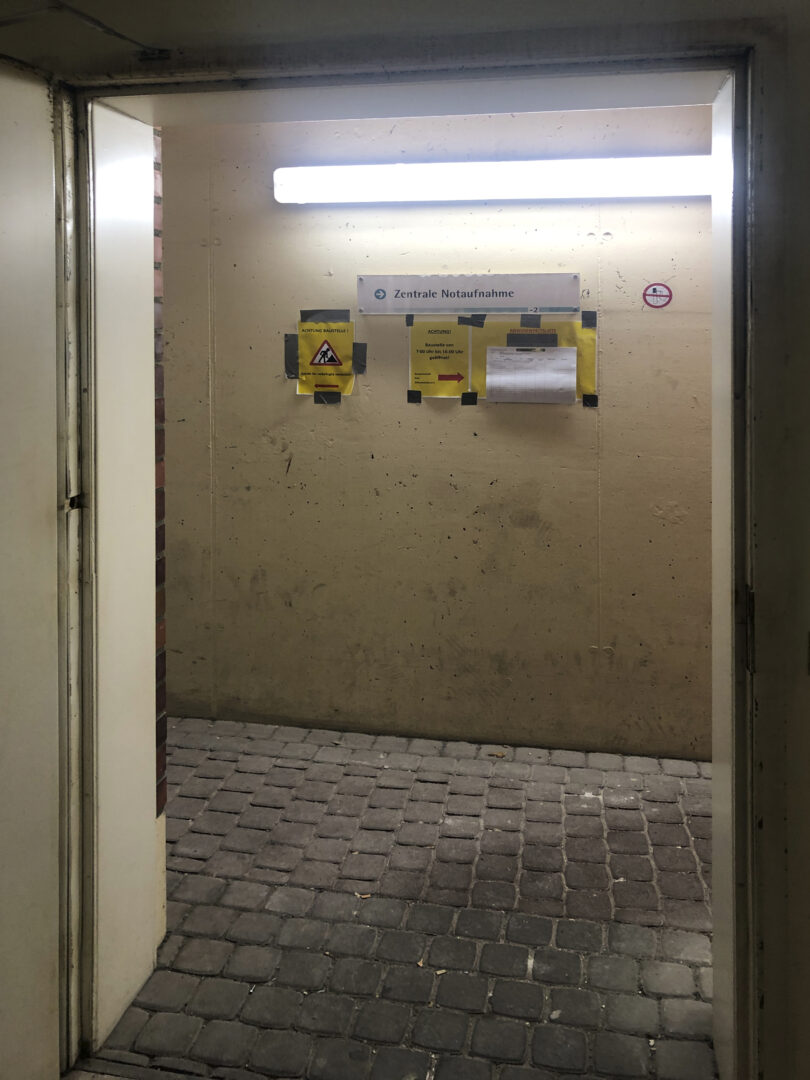
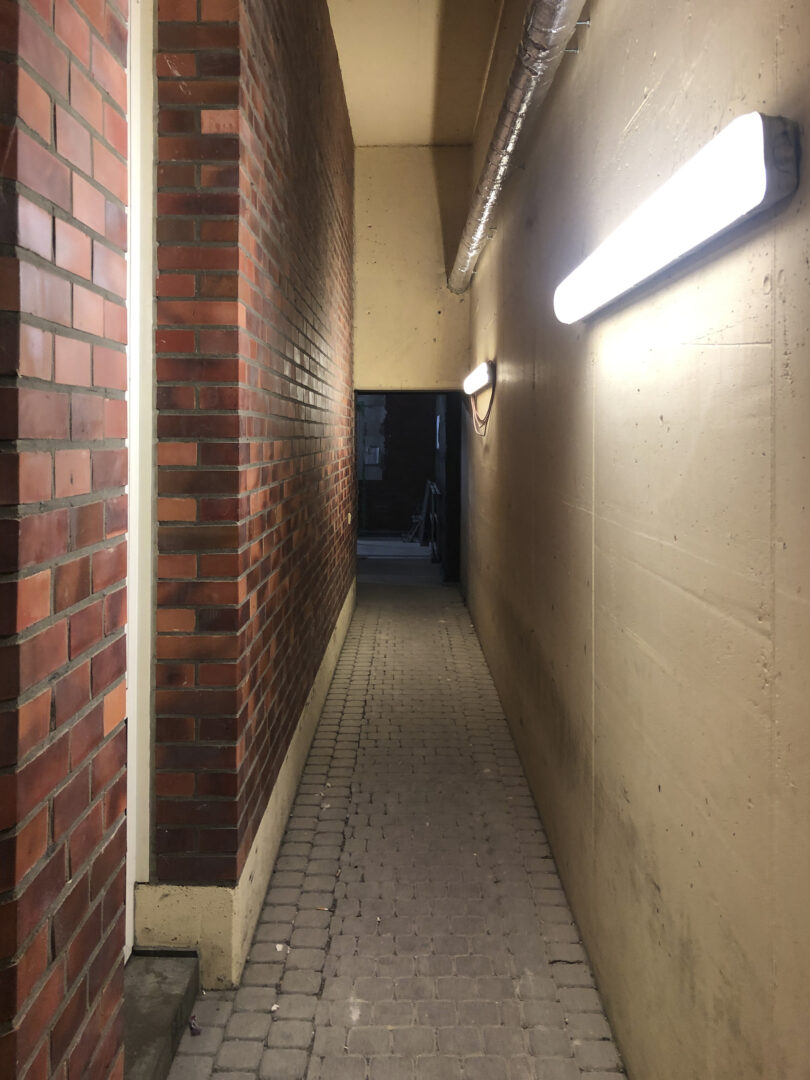
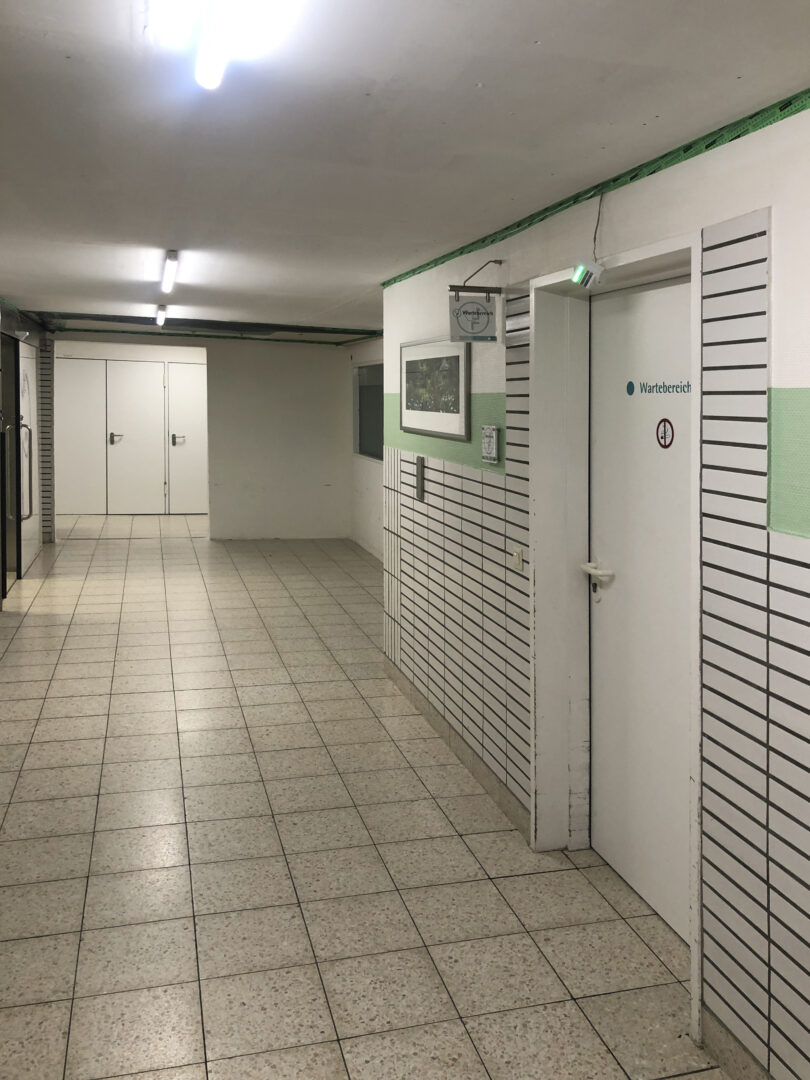
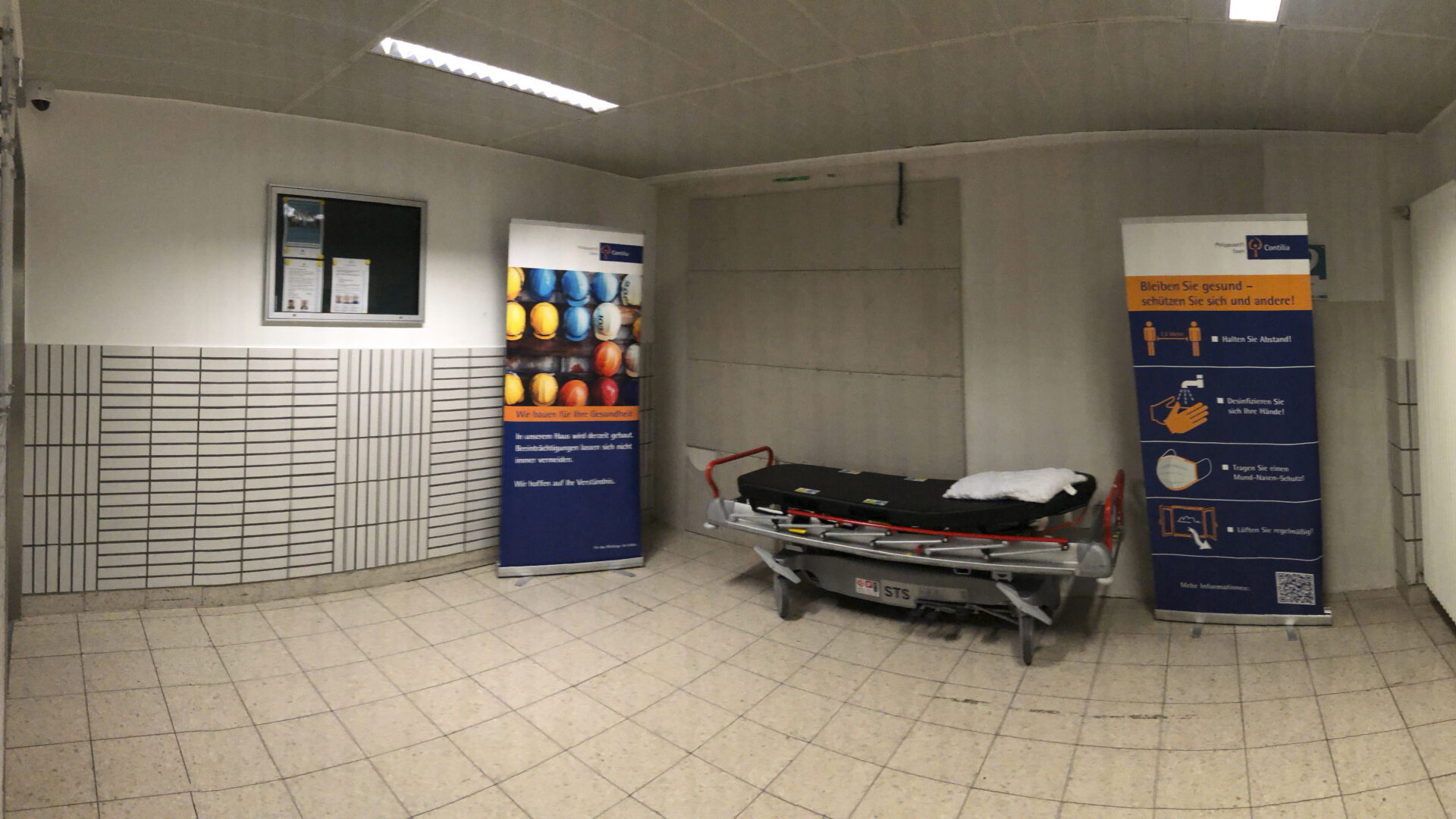
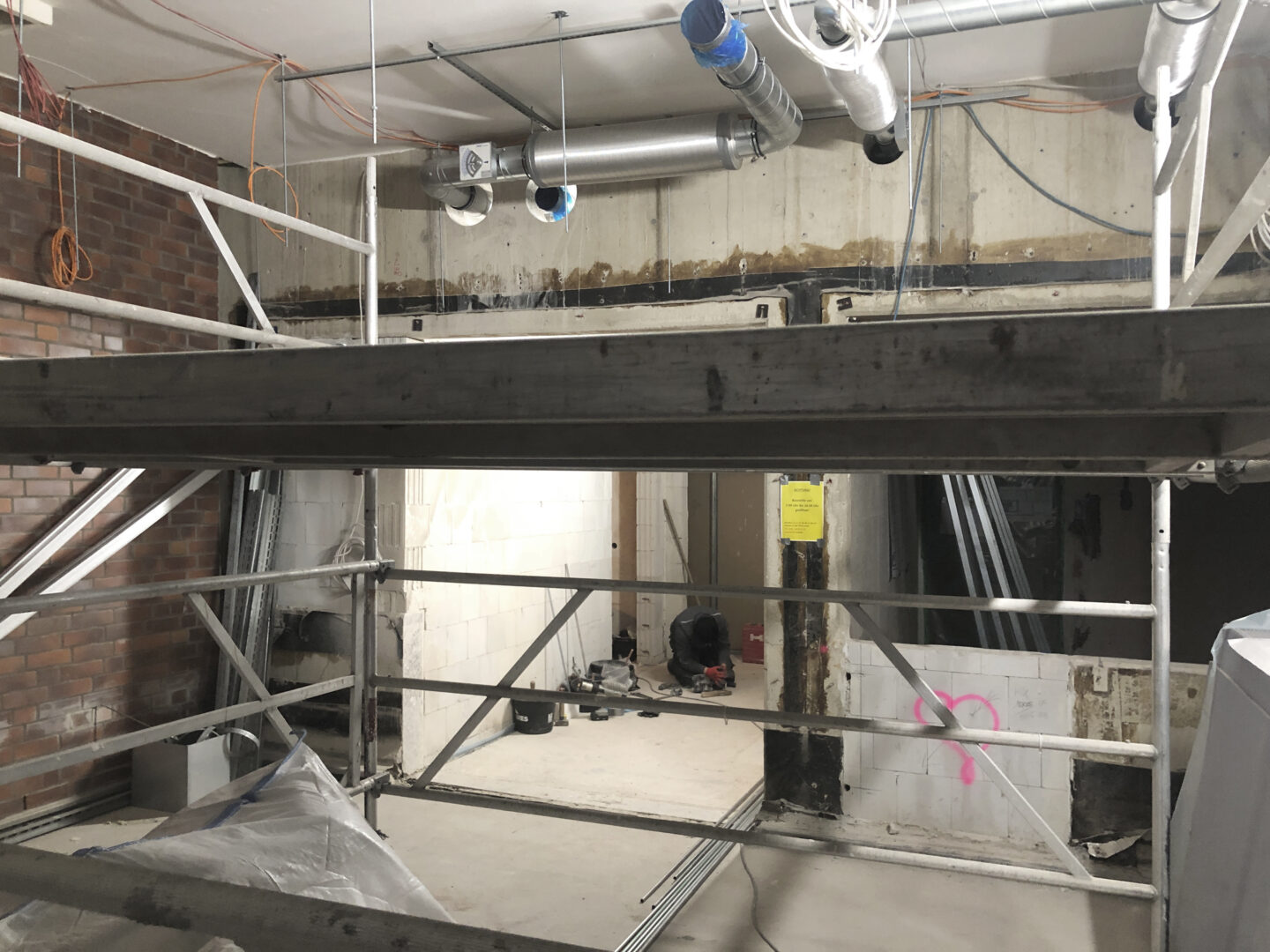
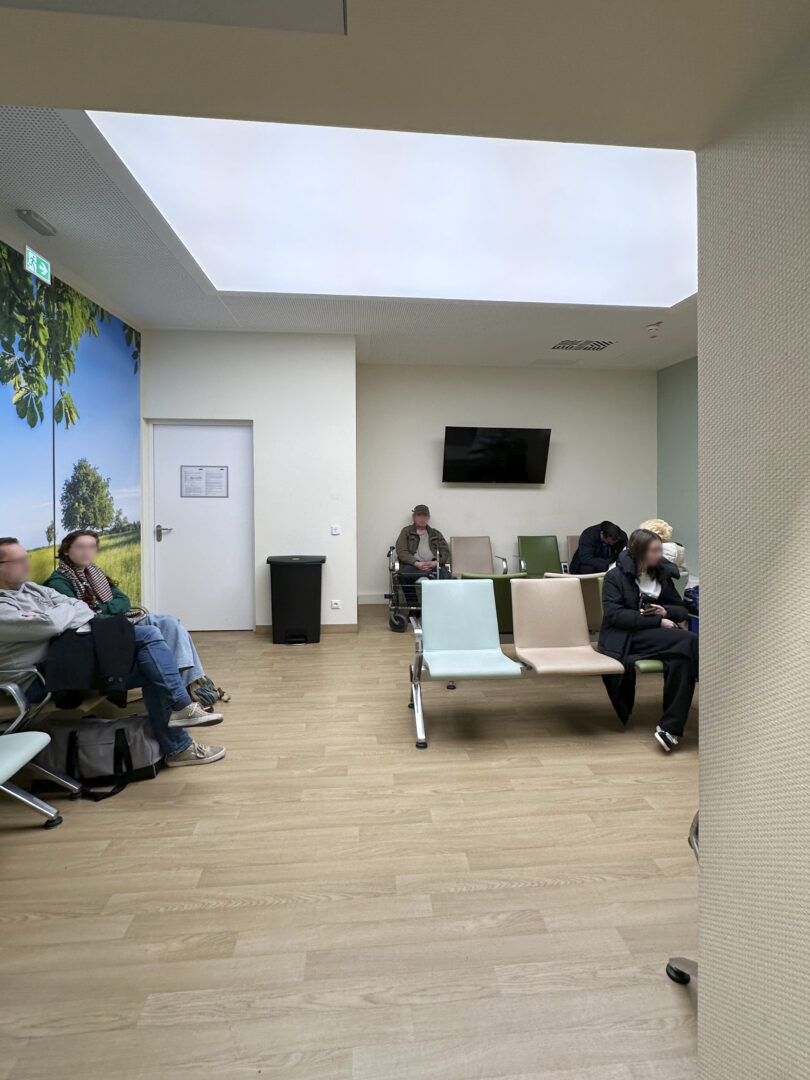
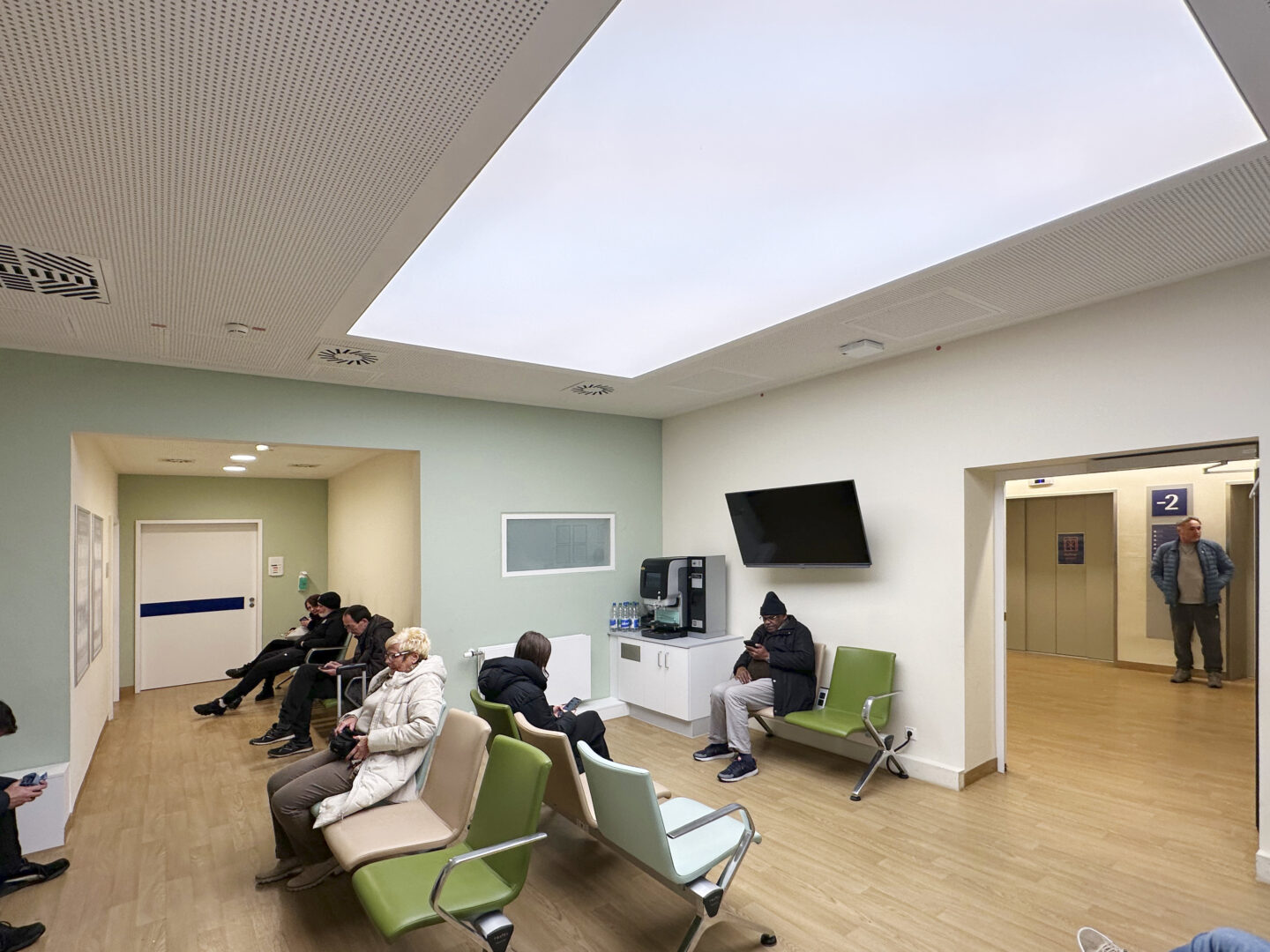
We developed a color and lighting concept for the central emergency room at a hospital in Essen, which is temporarily housed on the second basement level—a space with no natural light—due to a planned new construction project. The goal was to alleviate the oppressive and stress-inducing environment, where waiting times often put patients and their families to the test.
What has changed?
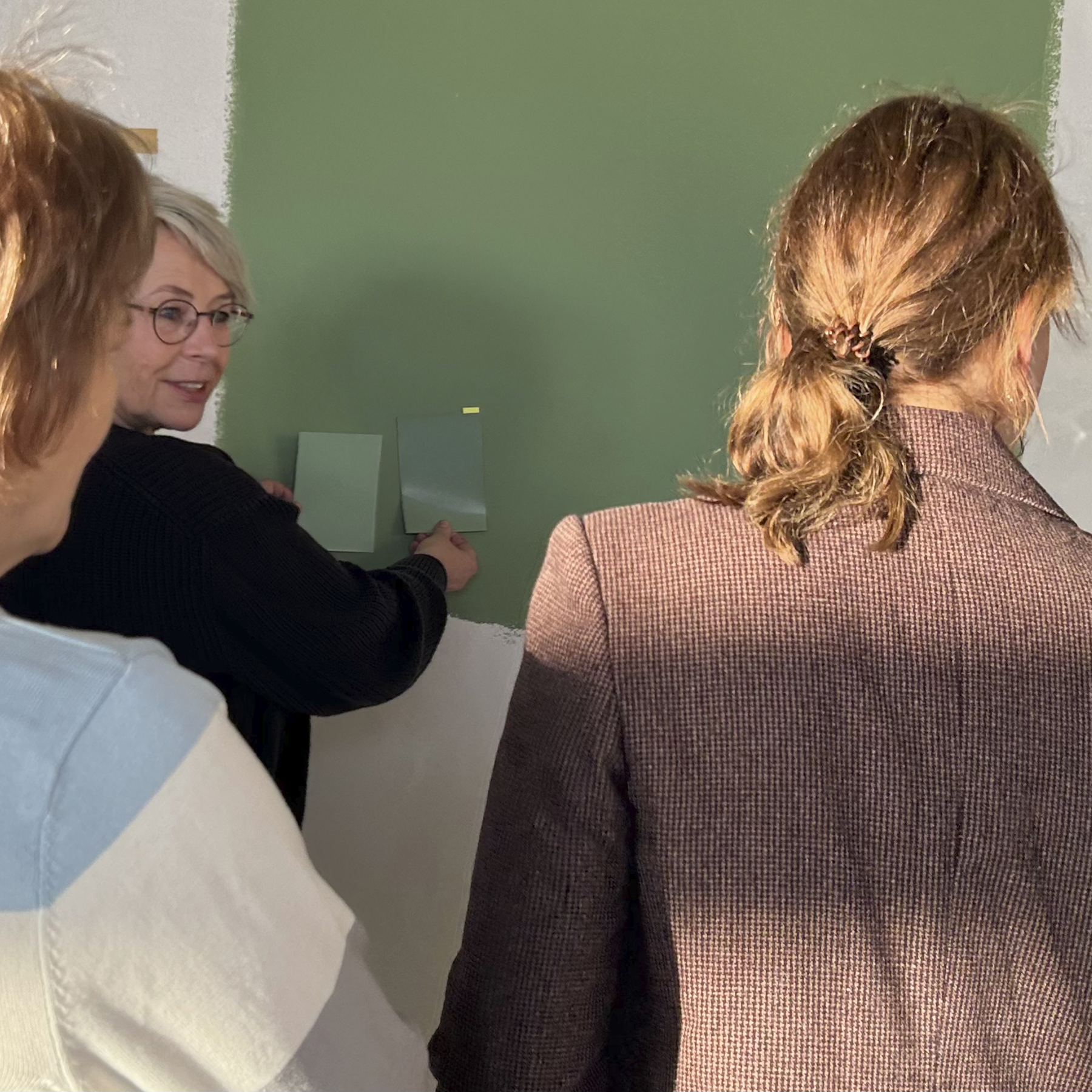
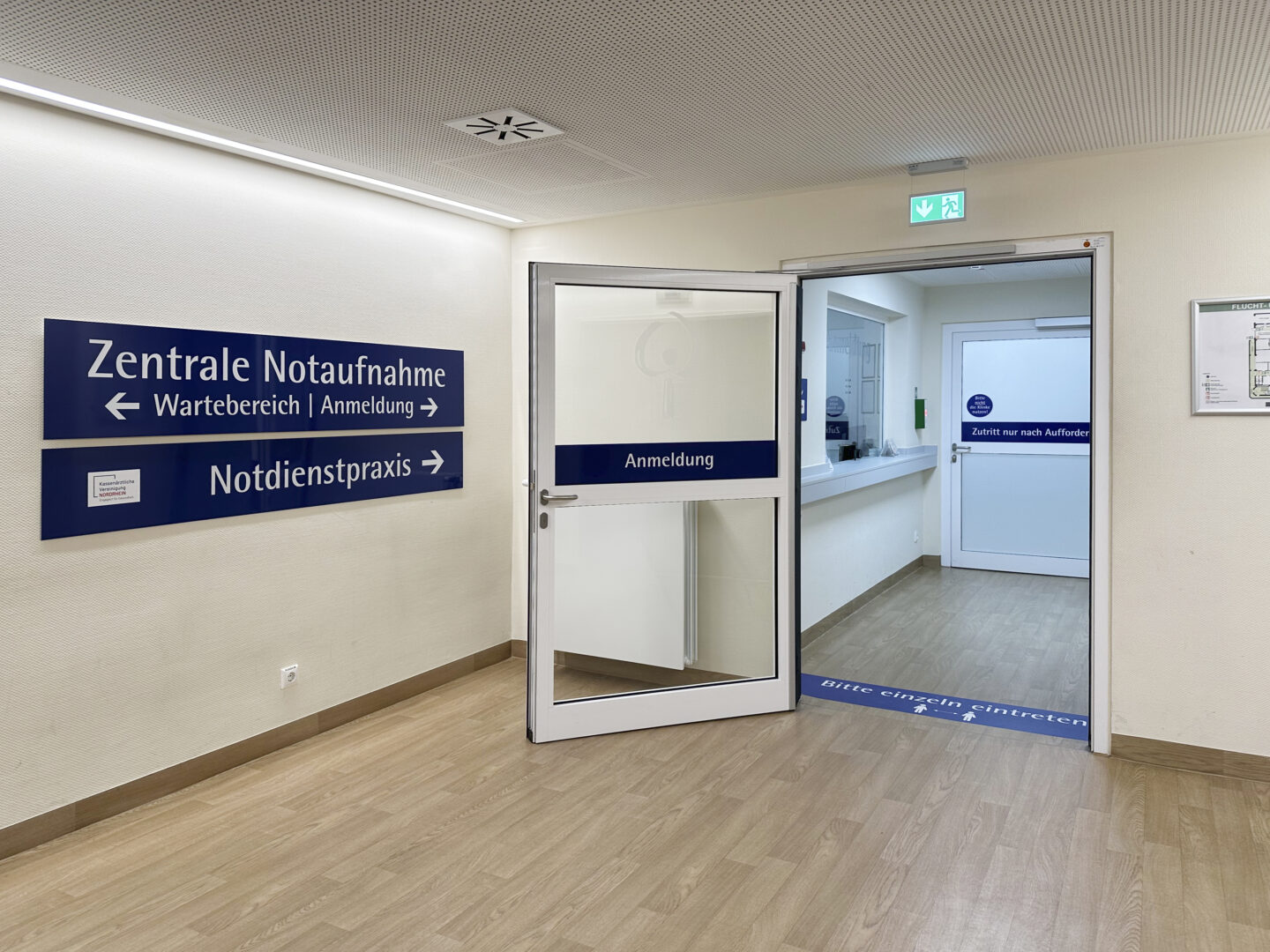
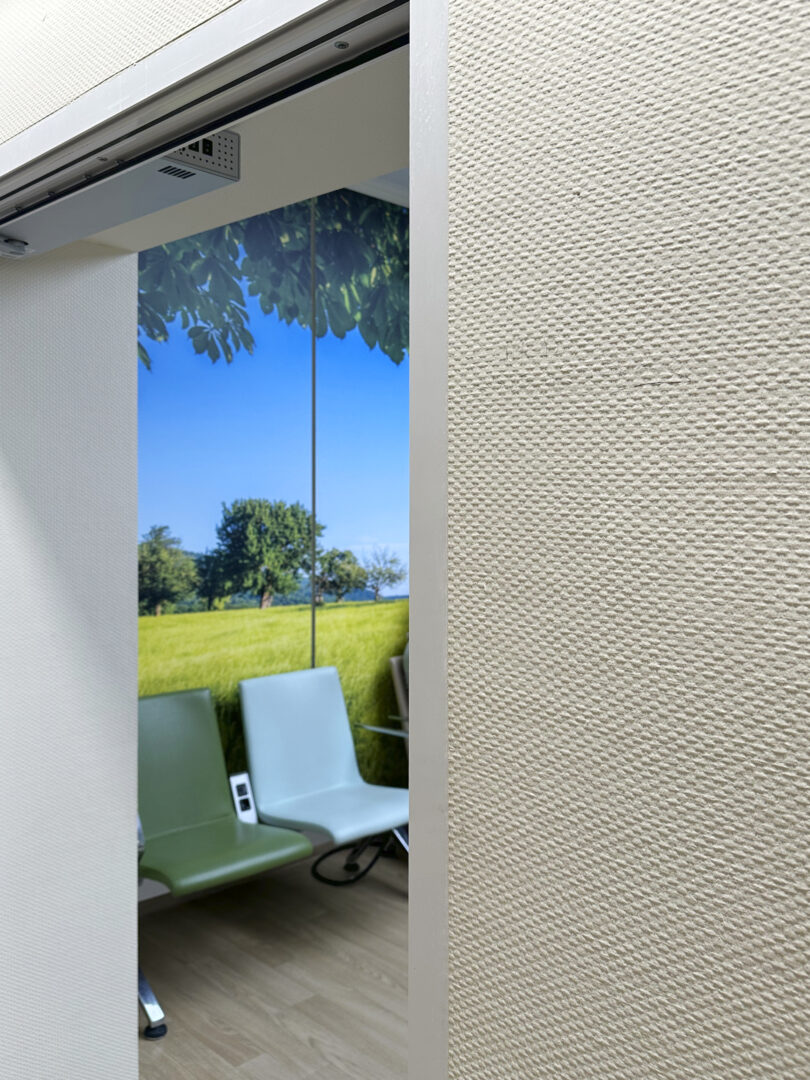
- Color Scheme: All surfaces have been redesigned using a soothing, inviting color palette and appealing finishes that are specifically intended to influence perception and mood.
- Lighting solution: A skylight flush with the ceiling was installed to bring artificial daylight into the room and visually open it up toward the ceiling. This creates a sense of spaciousness and openness that completely eliminates the basement-like feel.
First Successes Are Visible The results speak for themselves: Both patients and staff report a significantly improved emotional atmosphere. The oppressive feeling of being “locked up and forgotten” has been replaced by the new atmosphere. At the same time, the number of incidents and conflicts in the waiting area has decreased measurably.
A Model Project with a Clear Message This project impressively demonstrates what is possible through the strategic use of light and color. At the same time, it underscores a key principle: waiting areas belong in natural daylight, not in basements. Where this—as in our example—is not structurally possible, evidence-based color and light psychology offers an effective solution.
Violence prevention starts with interior design.
With this approach, we have not only improved the atmosphere but also made an important contribution to the safety of hospital staff. A win-win for everyone involved.