
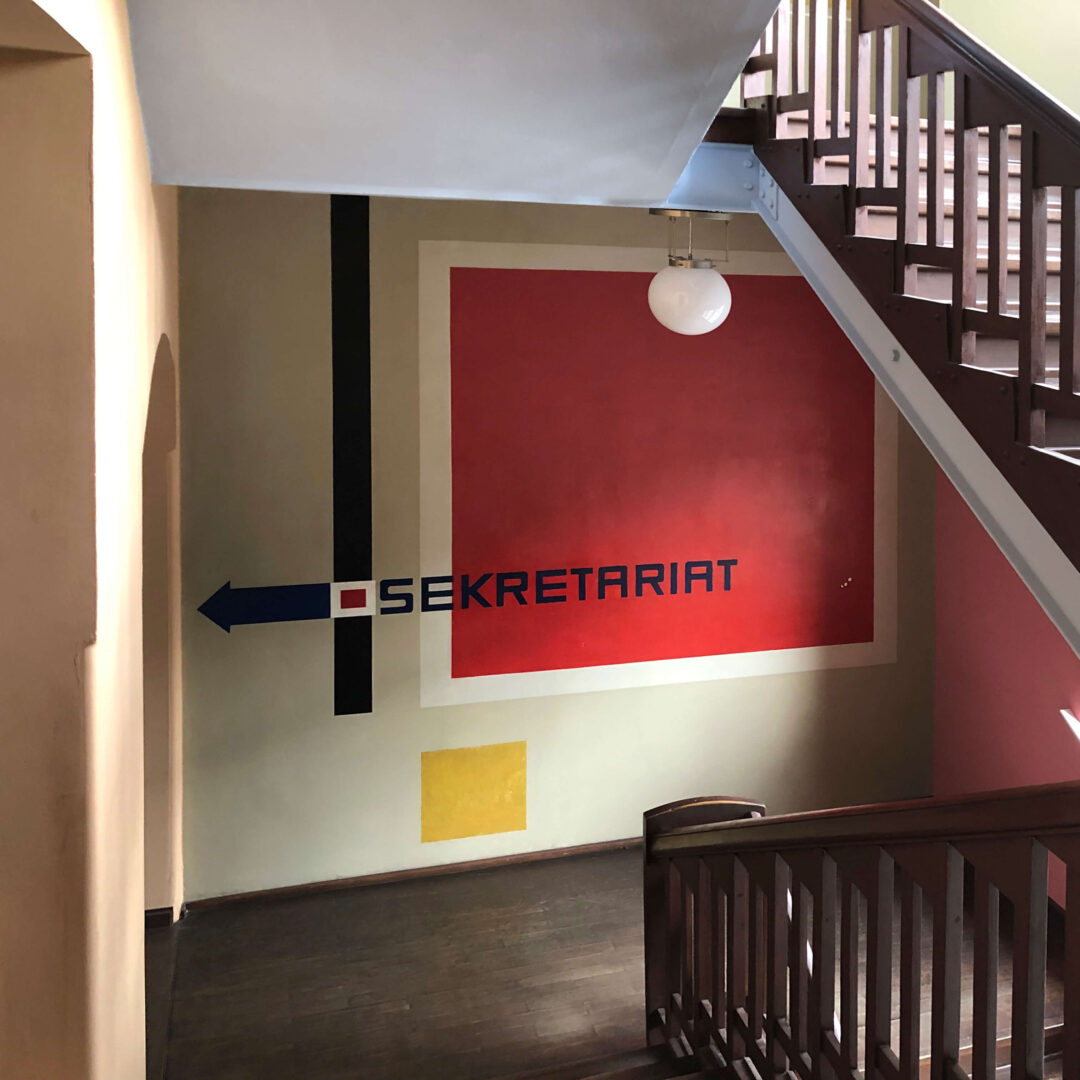
Colors shape architecture far beyond their aesthetic impact. They influence orientation, atmosphere, well-being, social interaction, and health—mostly subconsciously, but with measurable consequences for people’s experiences and behavior.
The lecture focuses on the question of why color design in architecture and interior design today requires a shift in scientific perspective. While many design principles are still based on formal-aesthetic theories from the early 20th century, findings from neuroscience, evolutionary biology, and perceptual psychology show how colors affect humans as biological orientation systems.
Drawing on current research and international case studies, Prof. Dr. Axel Buether demonstrates how evidence-based color psychology can help ensure that architecture is consistently tailored to the needs of its users—from educational and workplace environments to healthcare facilities and public spaces.
The lecture is aimed at architects, engineers, and anyone who views design not merely as the creation of form, but as a responsibility toward the human experience.
Presentation at the summer festival of the Frankfurt am Main Association of Architects and Engineers (AIV), Thursday, August 13, 2026