Understanding Colors—How We Choose Them, What They Reveal About Us
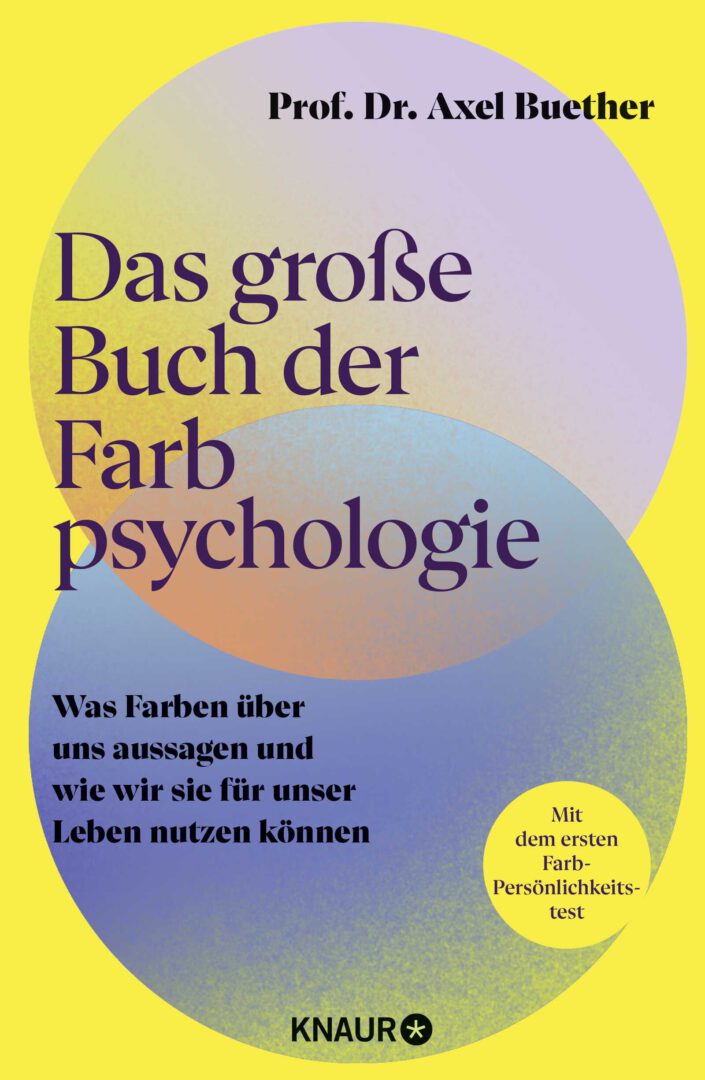
What does our choice of color say about us—in our living spaces, in our communication, and in the way we shape our daily lives? In *The Big Book of Color Psychology*, renowned color researcher Axel Buether provides a scientifically grounded answer to a question that has remained unanswered until now: Why do people prefer certain colors—and what does that have to do with their personality?
From Objective to Subjective Color Perception
Following his bestseller *The Mysterious Power of Colors* (2020), in which Buether explained the objective effects of colors based on biological and evolutionary principles, he is now taking the next big step: deciphering subjective color choice.
His first work explained why the world appears colorful to us in the first place—and how colors function as the largest biological communication system in nature and culture. In humans, color perception accounts for over 60 percent of brain activity —a perception system deeply rooted in evolution that enables us to orient ourselves, protect ourselves, and integrate socially.
With *The Big Book of Color Psychology*, Buether now fills a major gap in research: For the first time, the book explains why people prefer certain colors—and what role their personality plays in this. These insights are of crucial importance not only for everyday life but also for all professional fields in which color is used deliberately.
A World First: The Scientifically Based Color Personality Test
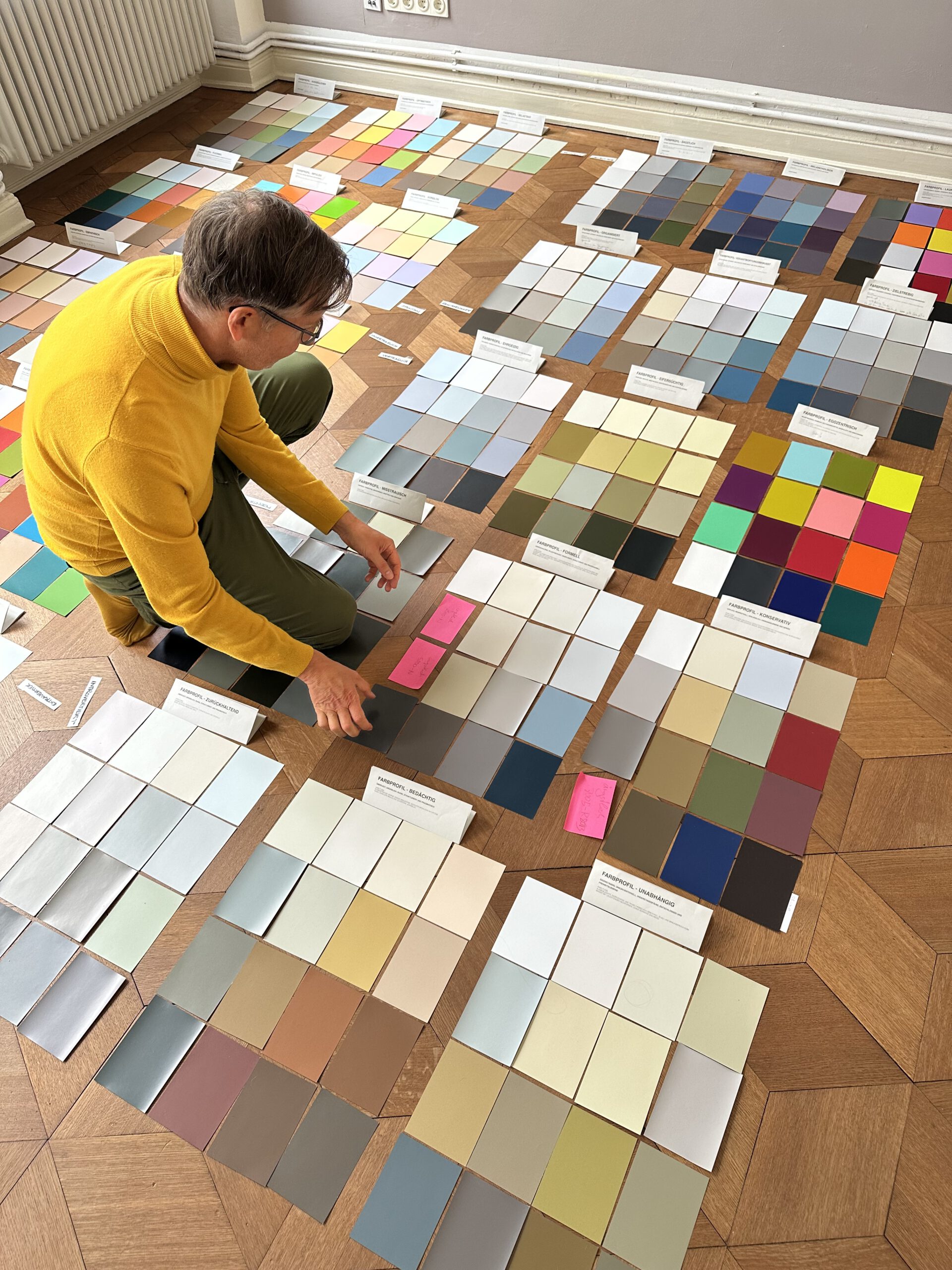
At the heart of the book is the first empirically validated test of color personality. Over 2,000 defined color shades (RAL, NCS, Pantone) were correlated with psychological traits. The result: 30 distinct color profiles that translate individual character traits into color expressions.
Readers are presented with a selection of approximately 500 original color shades, which they can use to analyze, combine, and apply their personal color profile—in fashion, interior design, communication, brand development, product design, or everyday life.
Color as a Medium for Self-Care and Self-Expression
Buether makes it clear: Color is not merely a decorative detail —it is a central means of self-affirmation, emotional orientation, and nonverbal communication.
The book clearly demonstrates:
- How Color Choices Are Linked to Personality
- How Colors Influence Mood, Behavior, and Social Impact
- How to Use Color Strategically—at Home, at Work, and in Public Perception
For professionals and anyone who wants to perceive colors more consciously
“The Big Book of Color Psychology” is aimed at anyone who wants to use color creatively or understand it more deeply—whether in everyday life or in a professional context.
It appeals to readers from the following fields:
- Design, Architecture, and Interior Design
- Art, Fashion, and Aesthetics
- Communication, Brand Development, and Advertising
- Media, Psychology, and Education
- as well as anyone interested in the impact of colors on our lives
To see color is to recognize oneself
“The Great Book of Color Psychology” is both a foundational work and a practical guide. It offers a new language for revealing the invisible forces behind our color choices—and thereby opens up new perspectives for design, communication, and self-awareness.
Order from a bookstore or buy online from the publisher Droemer/Knaur, at buecher.de, or on Amazon