Sensory Perception and the Transmission of Experiences in the Landscape
: Mapping Sensory Experiences and Zoning the Site
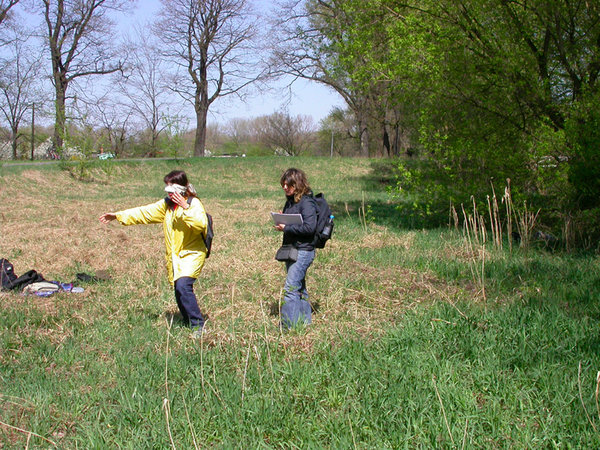
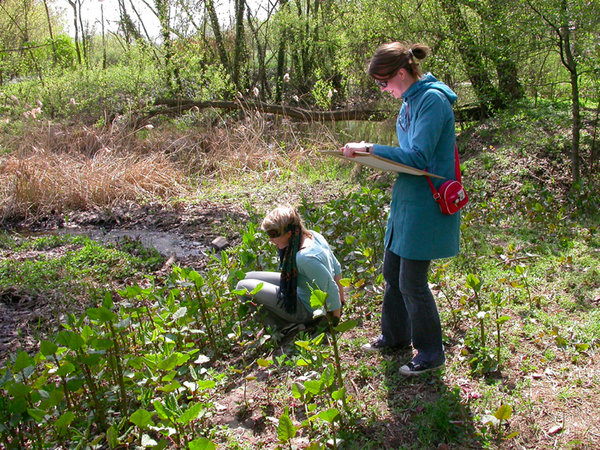
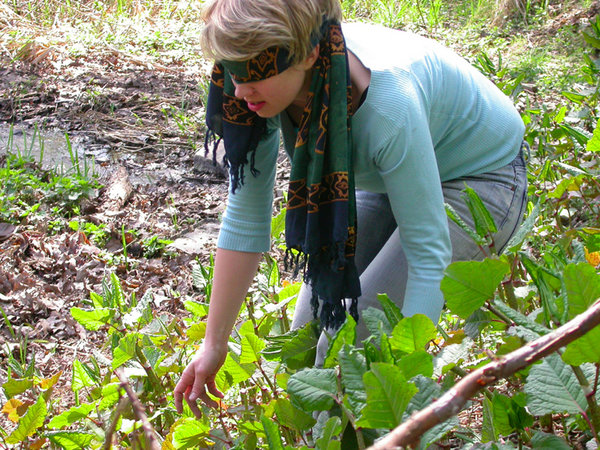
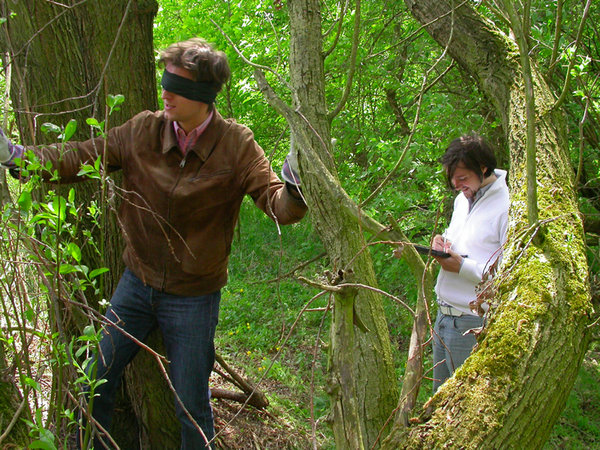
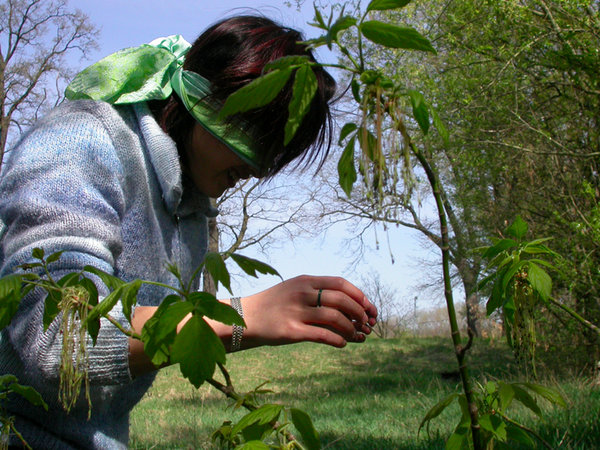
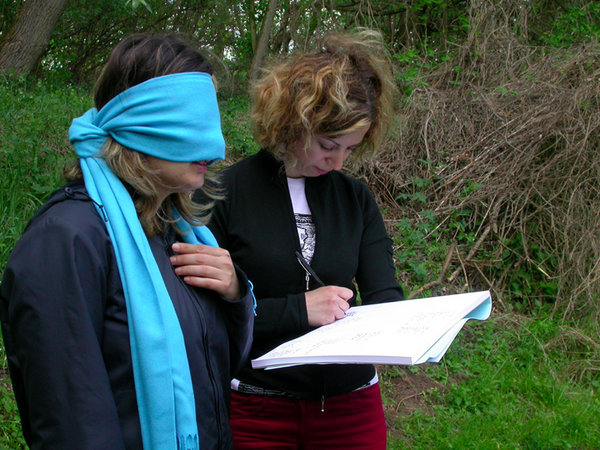
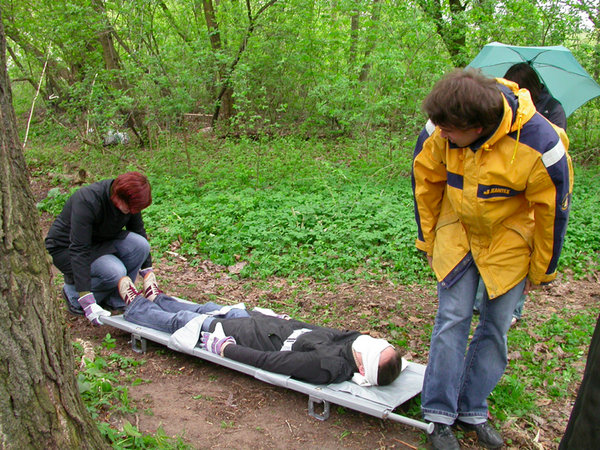
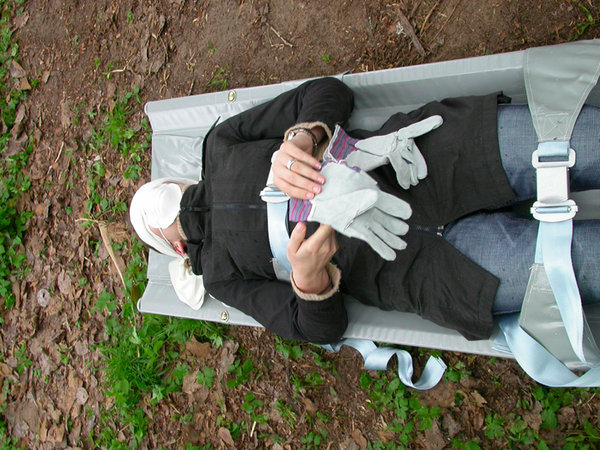
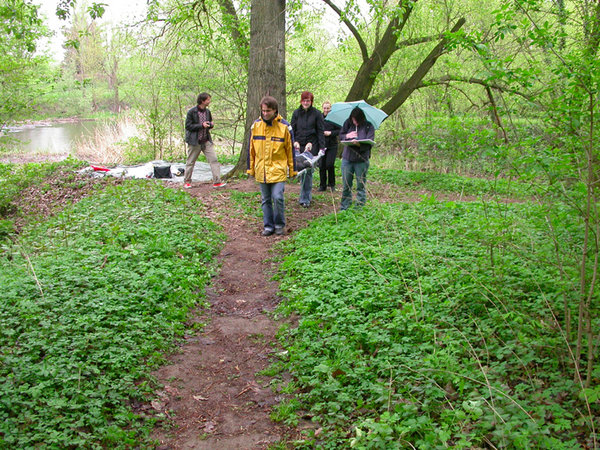
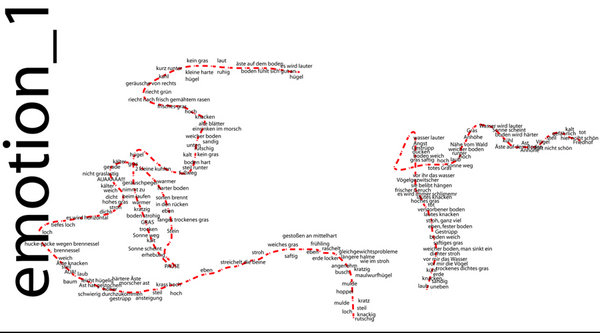
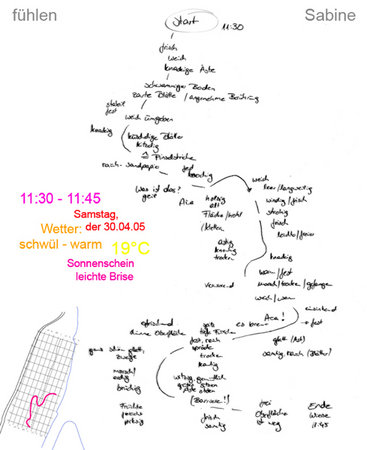
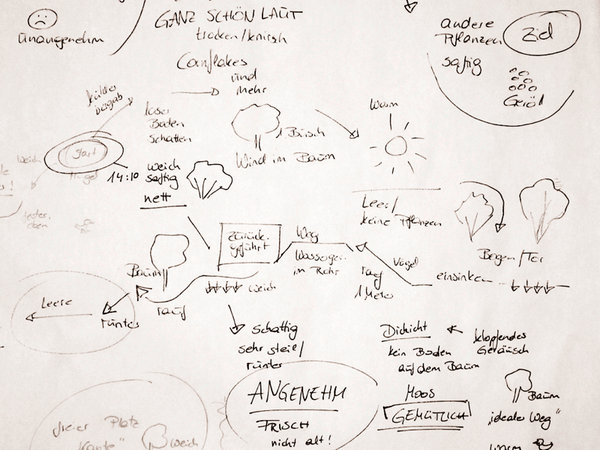
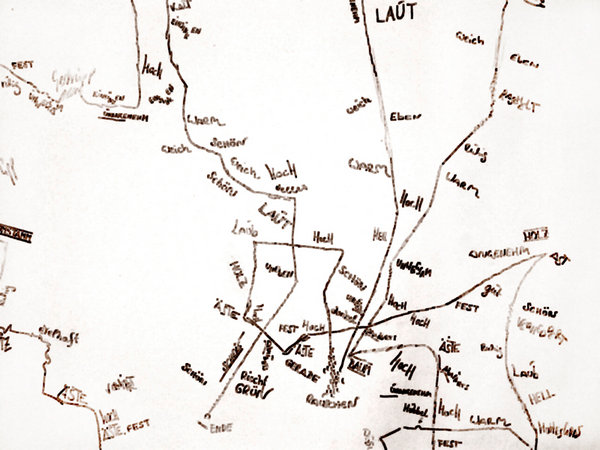
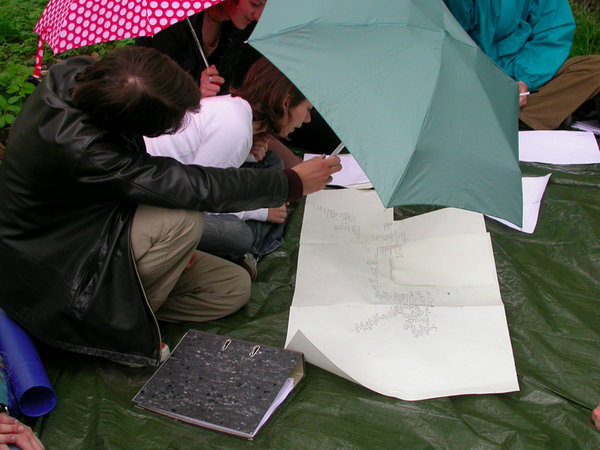
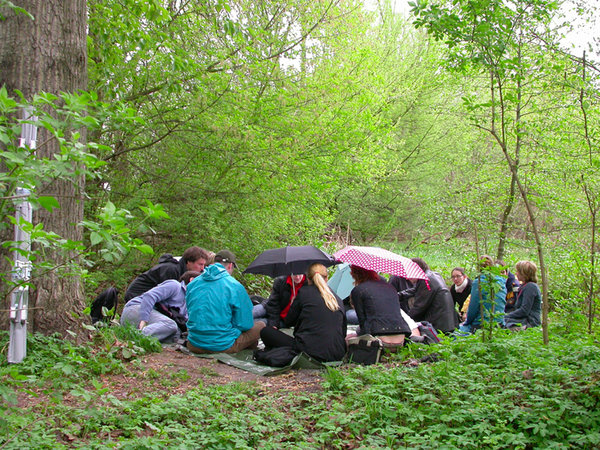
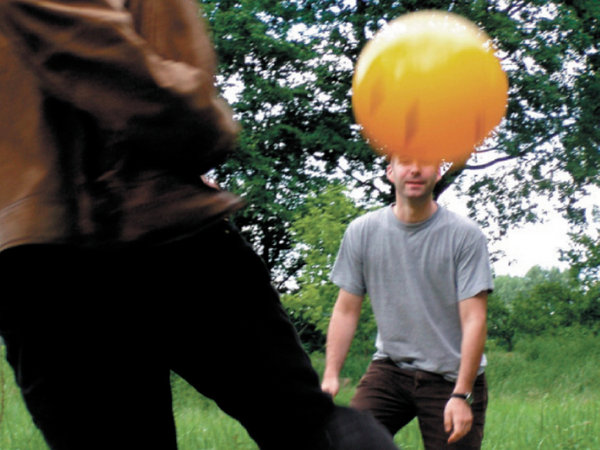
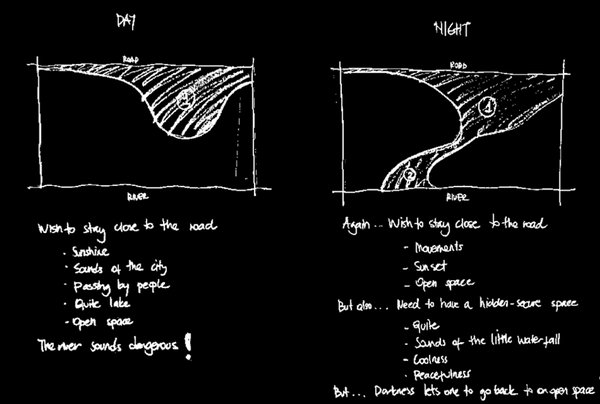
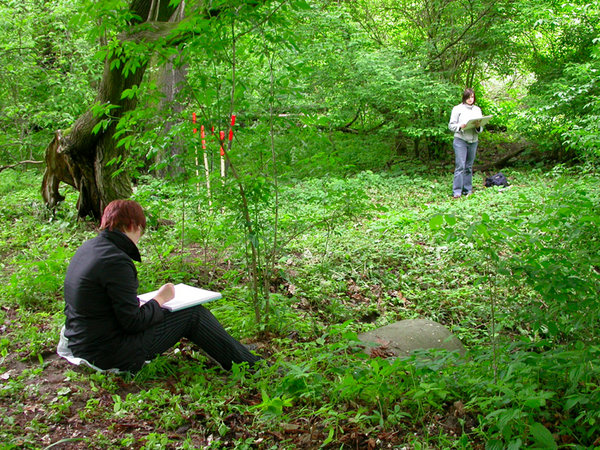
We started the seminar with a perception exercise in the landscape. In each case, one person was guided through the landscape by a second person, with different senses switched off, in an attempt to perceive the qualities of the landscape with a specific sensory system. The orientation was determined from the landscape and its sensory qualities, such as standing, lying down, walking, crawling, and entered into an “emotional map” by the second person.
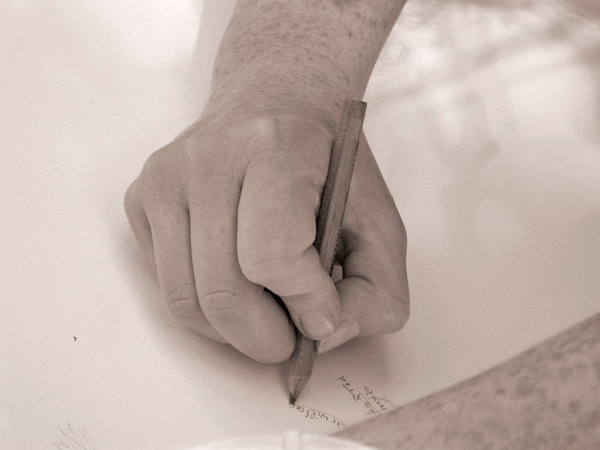
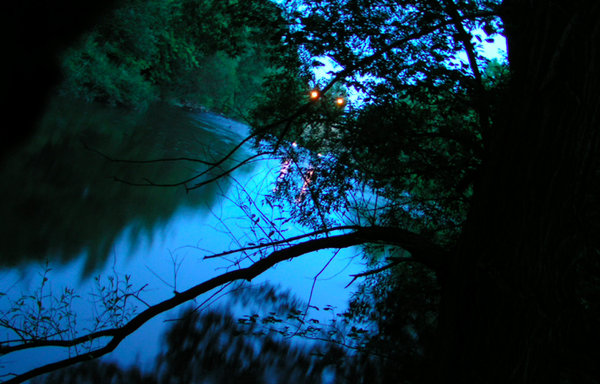
Based on experiences of physical spatial perception, “emotional maps” of the landscape were created: an “acoustic map,” a “tactile map,” an “olfactory map,” and an “orientation map.” The change in perception caused by the temporal dimension was examined over a period of twenty-four hours, both day and night.
Through a person’s slow, fast, rhythmic, and accelerating movements, a map emerged that could reveal the dynamism of the landscape. The spatial layering of the landscape—the boundaries between its interior and exterior, and its active and passive zones—were recorded, as were its haptic dimensions.
Genius Loci – Creative intervention
Design and Presentation of the Discovered Sites
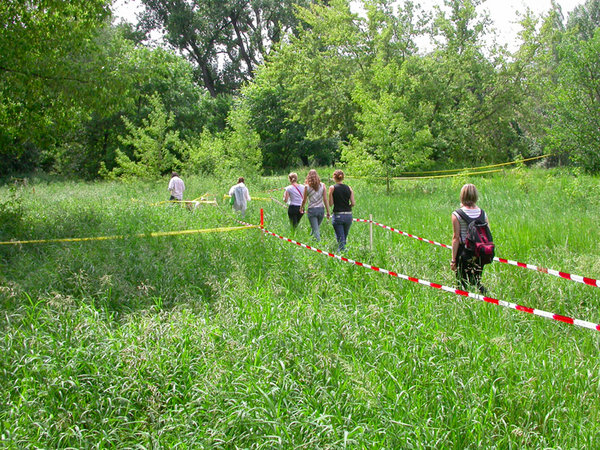
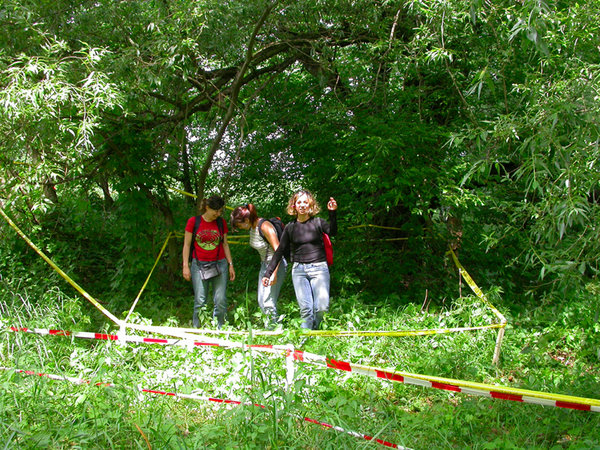
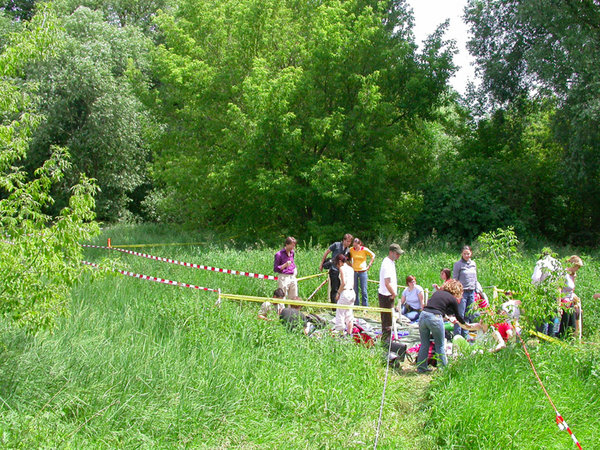
The goal of the final exercise was to reveal the invisible spaces of the landscape—experienced through action and the senses—and to transform those experiences through concrete interventions at the sites we discovered.
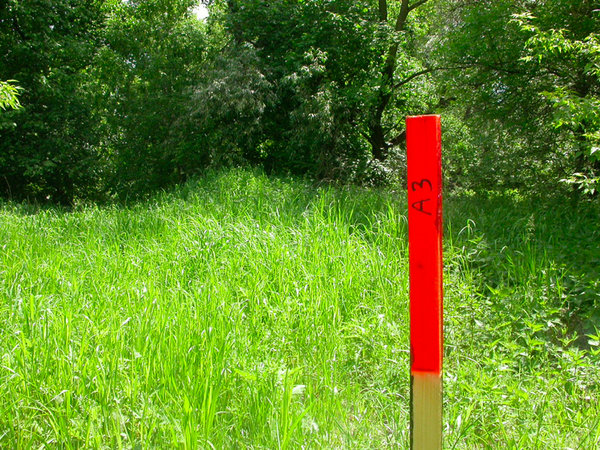
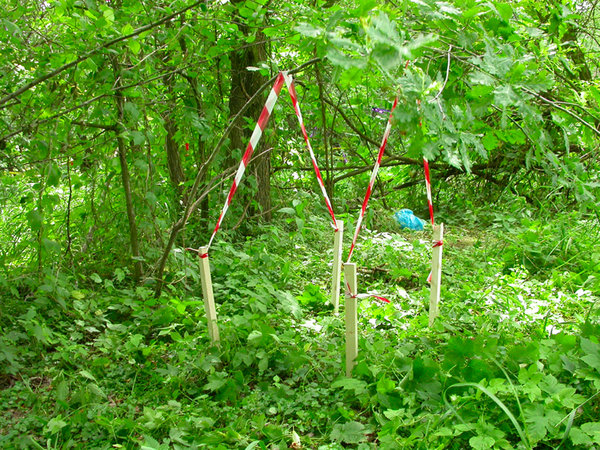
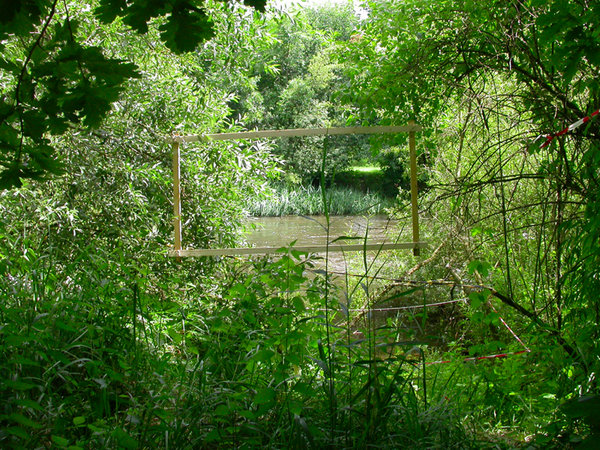
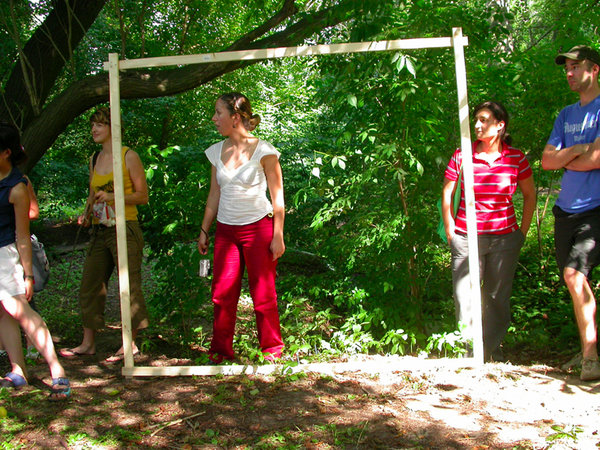
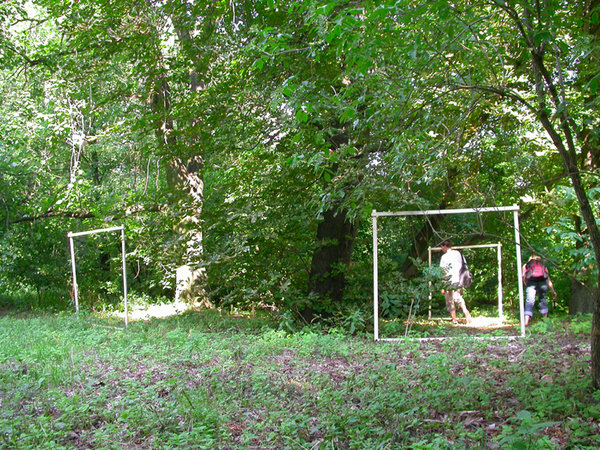
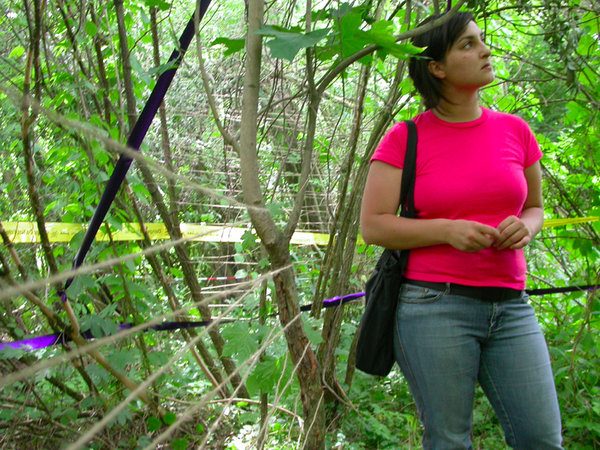
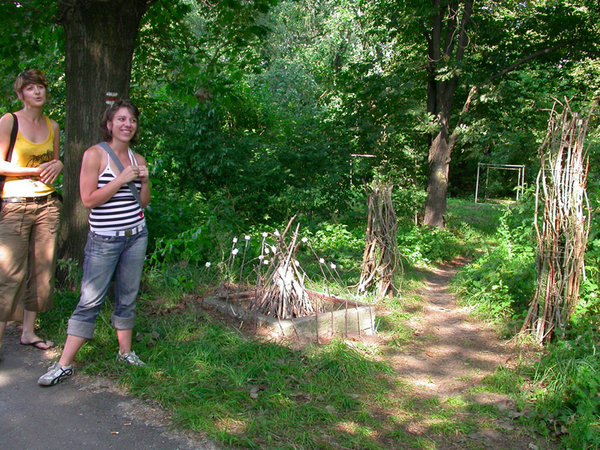
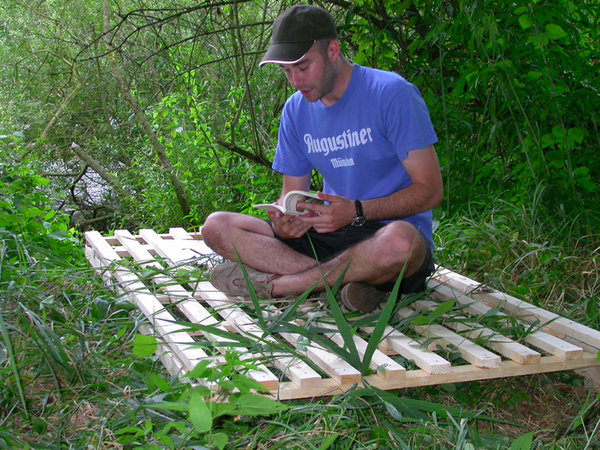
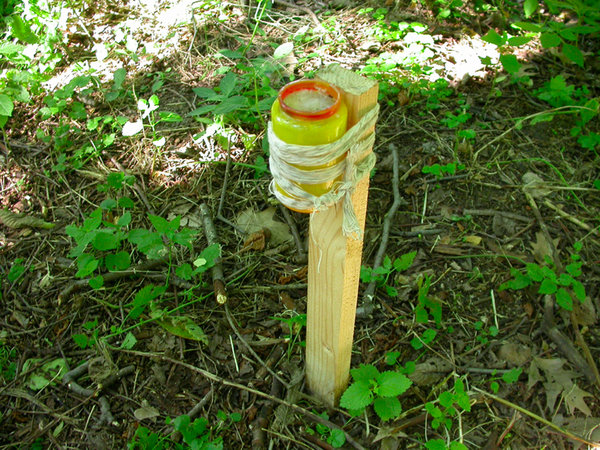
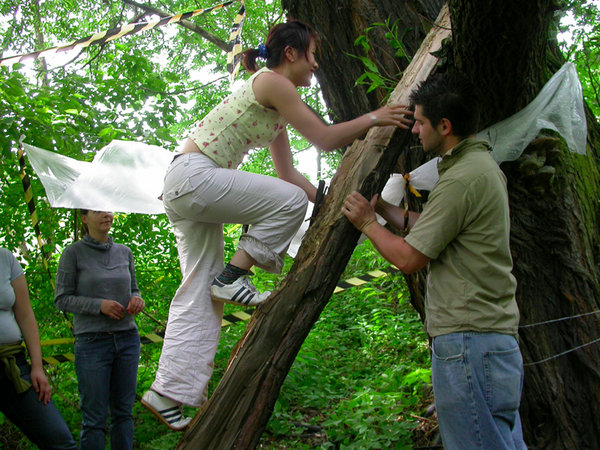
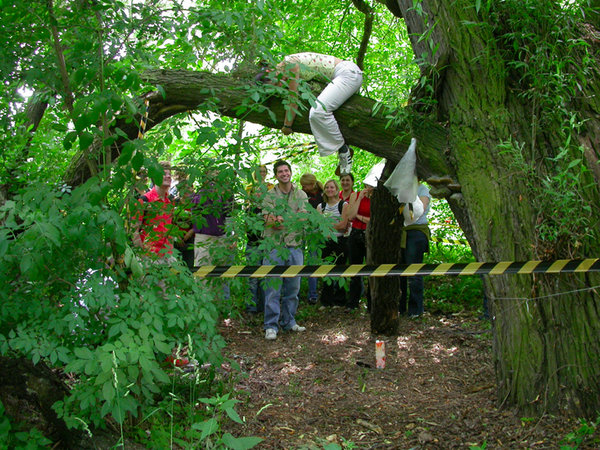
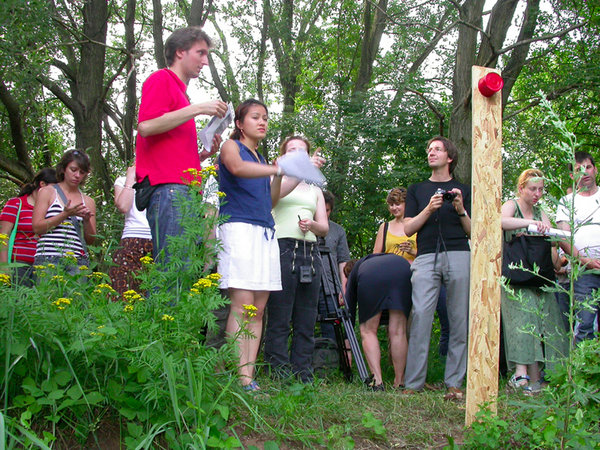
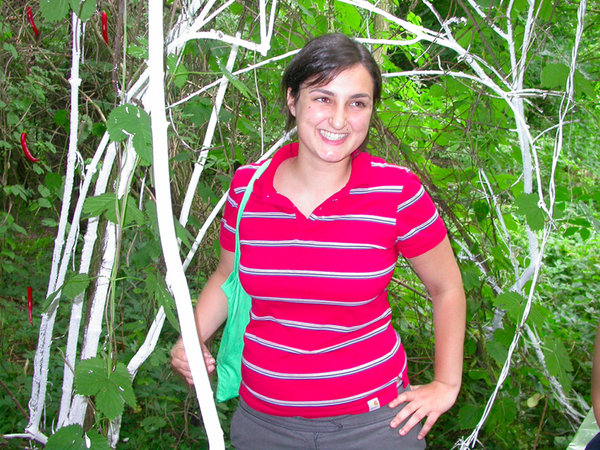
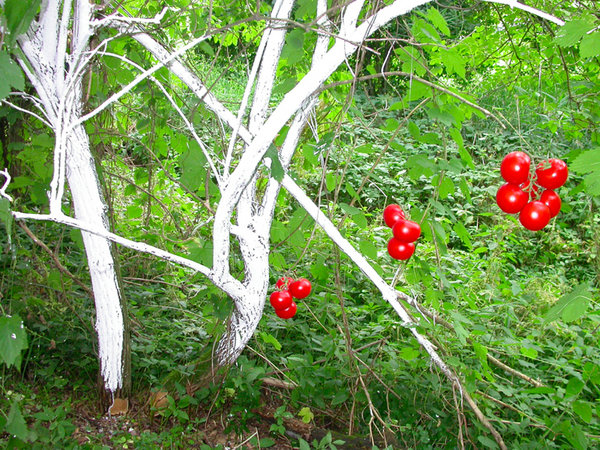
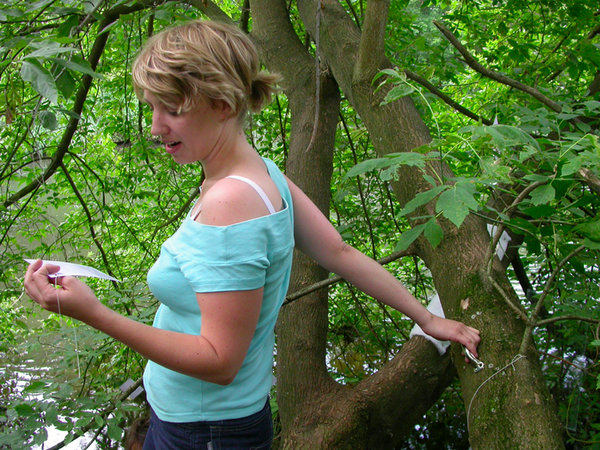
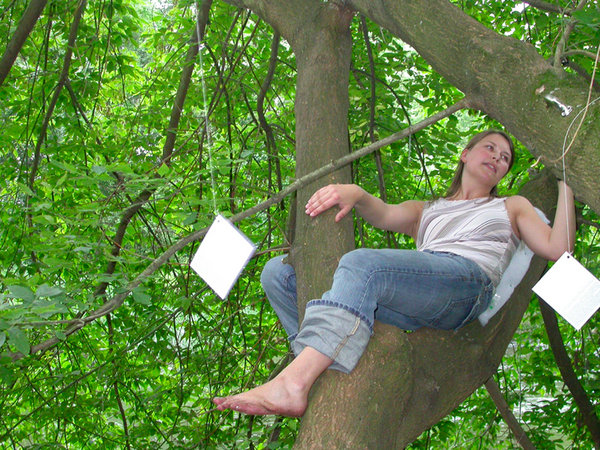
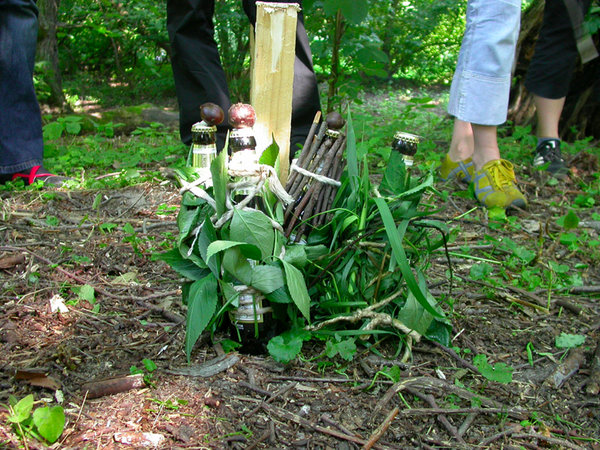
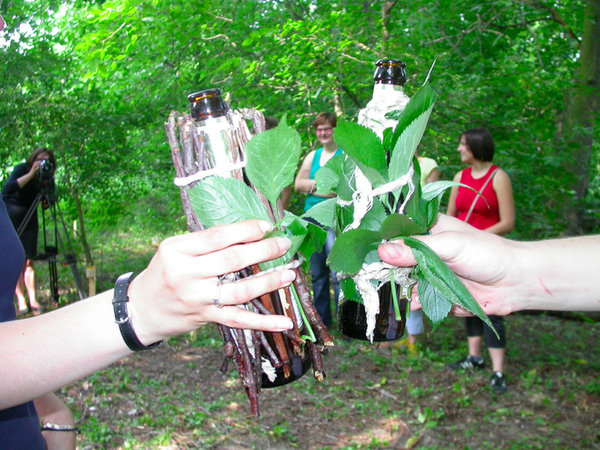
Slats and ribbons, or materials and found objects available on site, were used to give spatial expression to the experienced sites and qualities of the landscape—to make them visible. In the end, each person staged a symbolic action that brought the potential and quality of the site to life. Two locations on the riverbank were connected by a string telephone, through which messages could be exchanged using tapping signals. A pallet became the stage for a reading. In the vertical space between the water and the treetops, individual messages were affixed, through which we could listen to Italo Calvino’s story “The Baron in the Trees.” There was an entrance, a reception area, a place to drink tea, a place to eat, a place to rest, and a place to gather. Changes in the way we spoke reflected the shift in our attitude toward the landscape, which was suddenly full of meaning. What had been completely overlooked at the beginning was, in the end, personified—it became “mine, yours, and ours.”
[vimeo]https://vimeo.com/38442372[/vimeo]
In collaboration with Prof. Achermann (Plastic Design, Brandenburg University of Technology Cottbus)