Colors are a biologically rooted control system that governs our perception and behavior. A large portion of our brain activity is continuously devoted to processing color information, and the vast majority of these processes occur unconsciously.
Key point: Colors have an impact faster than words—and often have a stronger effect than arguments.
1. Colors influence our decisions before we even think
Colors trigger evolutionarily rooted evaluation mechanisms. They directly influence whether we place our trust in something, perceive danger, or feel sympathy—and thus guide our behavior.
2. Color is a form of nonverbal communication
Whether it’s clothing, branding, or interior design, colors send precise signals about personality, status, and intent. They shape how people are perceived—as competent, approachable, or aloof—regardless of what is said.
3. Nuances are crucial
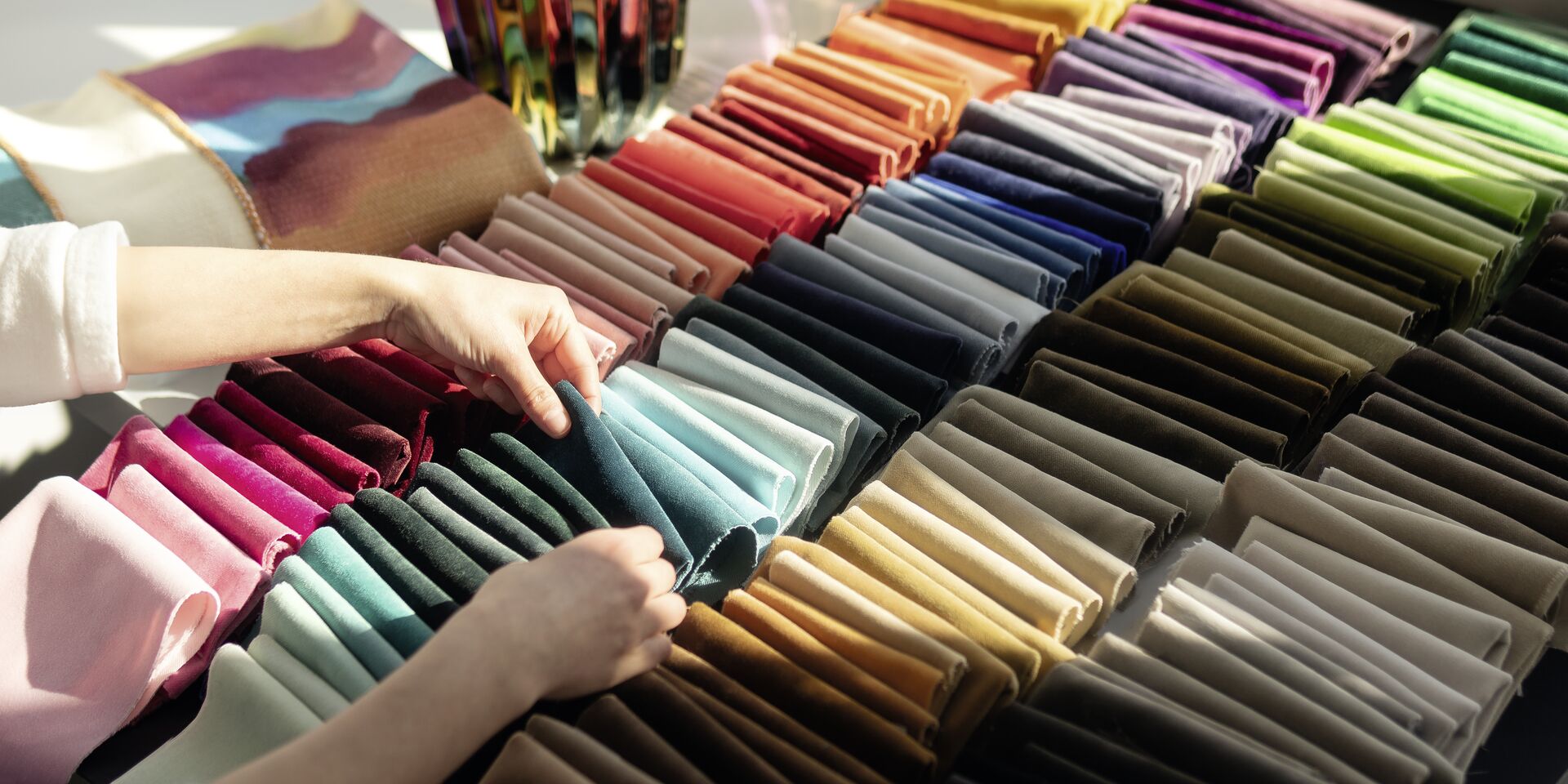
It is not “red” or “blue” that has an effect, but rather their precise shades. The subtlest differences in hue fundamentally alter the effect—from energizing to subdued, from dominant to sensitive.
4. Colors shape identity—and are, at the same time, shaped by it
Color choices reflect personality, social influences, and cultural trends. At the same time, they influence self-image and demeanor. People can often be assessed with surprising accuracy based on their choice of colors.
5. Mistakes in everyday life are systematic
Many color choices are based on trends rather than one’s own personality—with the result that products (especially clothing) are hardly ever used. Color only makes an impact when it suits the person.
6. Color has a context-dependent effect—but it is not arbitrary
Colors are culturally and biologically coded. Certain combinations consistently convey trust, freshness, or reliability. When these expectations are not met, it causes irritation.
7. Spaces Influence Behavior and Well-Being
Colors influence how we feel and behave in rooms. Nature-inspired shades promote relaxation, while strategic color changes help us distinguish between work, rest, and social interaction.
→ Read the full interview in *Die Welt* and *Welt am Sonntag* (behind a paywall). Author: Anja Francesca Richter; also published in *Die Welt*, in the “Color Research” section.