How Color-Coordinated Rooms Can Alleviate Anxiety and Improve the Emotional Well-Being of Breast Cancer Patients
The Institute for Evidence-Based Color Psychology, in collaboration with Helios University Hospital Wuppertal, Witten/Herdecke University, and the University of Wuppertal, is launching an interdisciplinary research project focused on providing emotional support to breast cancer patients during radiation therapy. The grant application has been submitted.
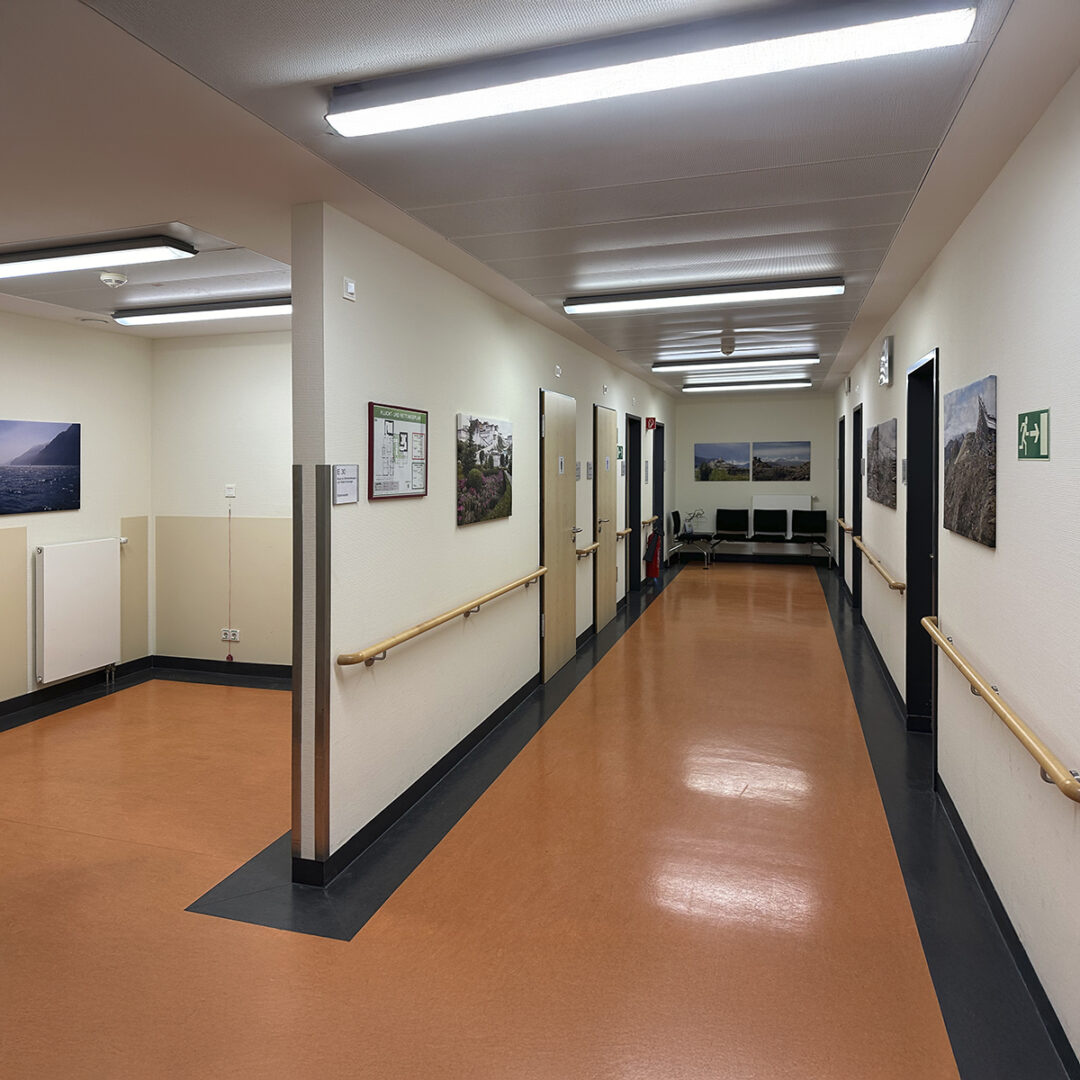
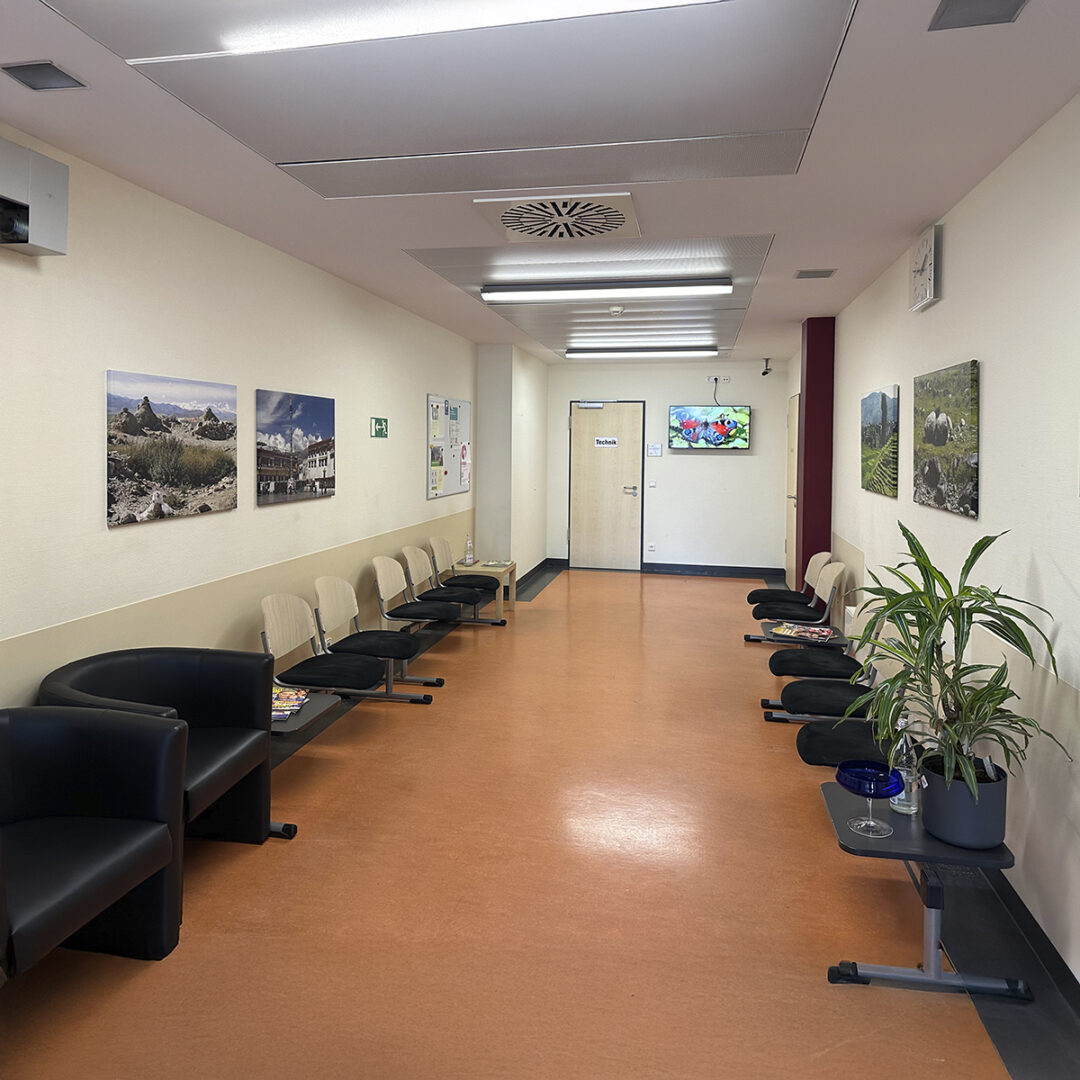
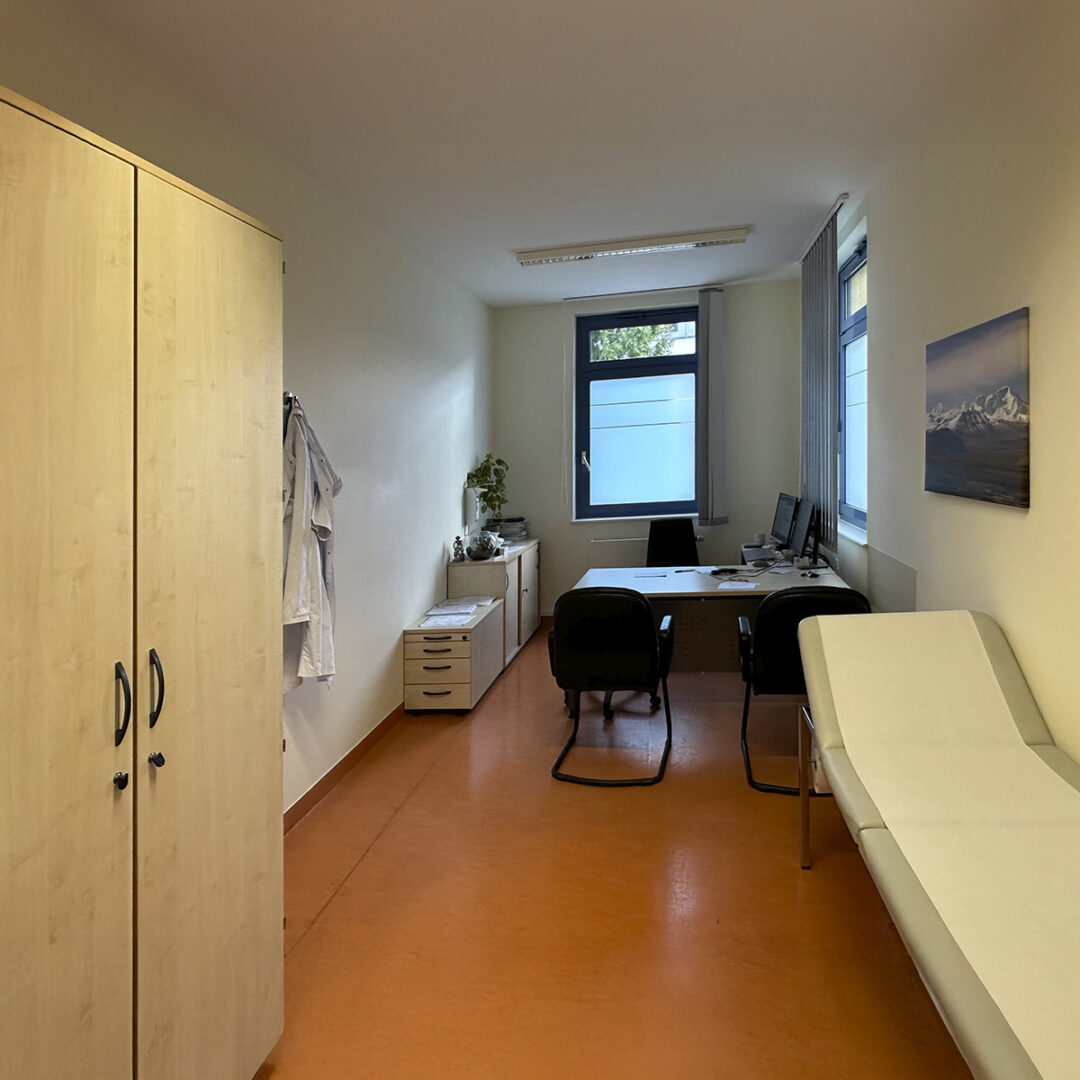
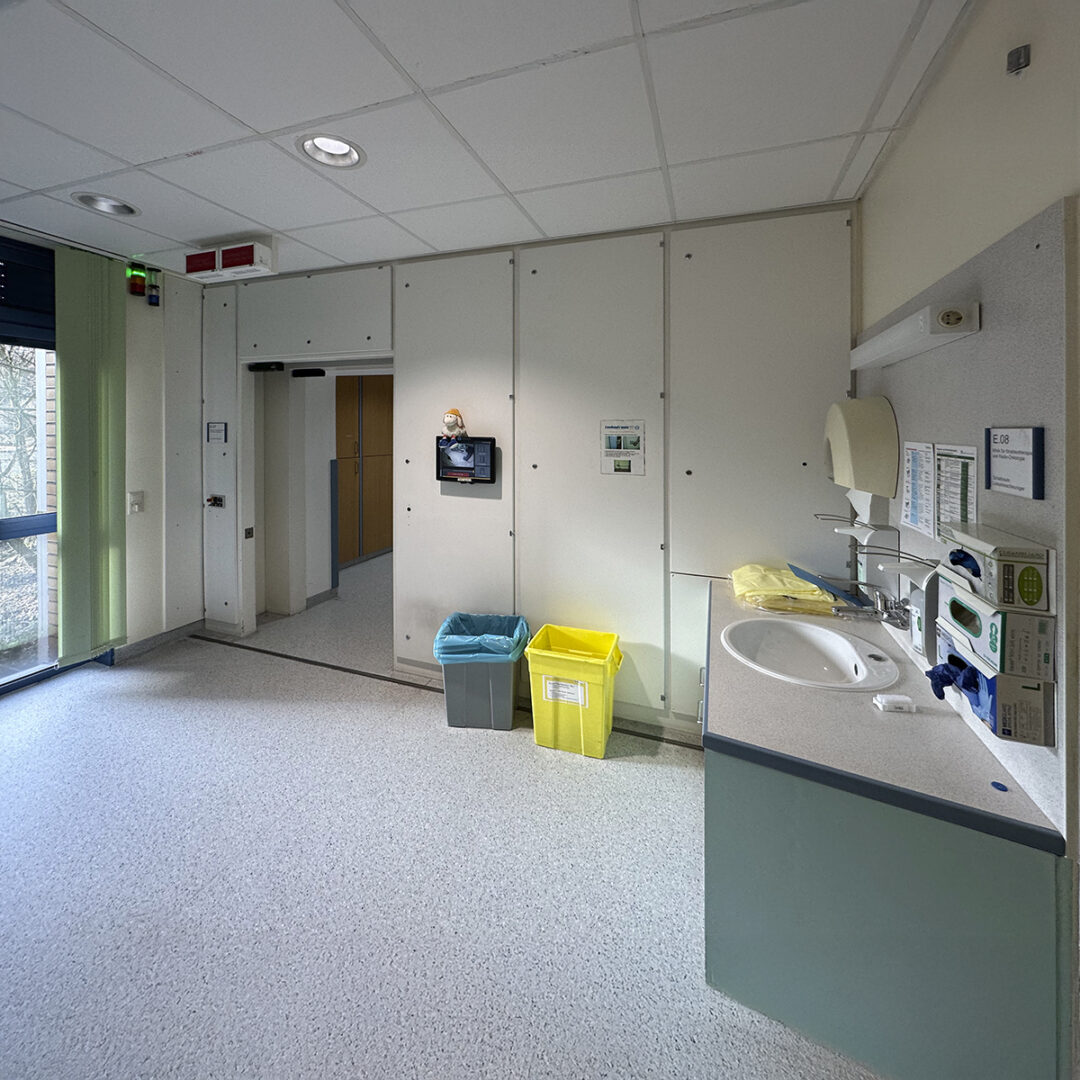
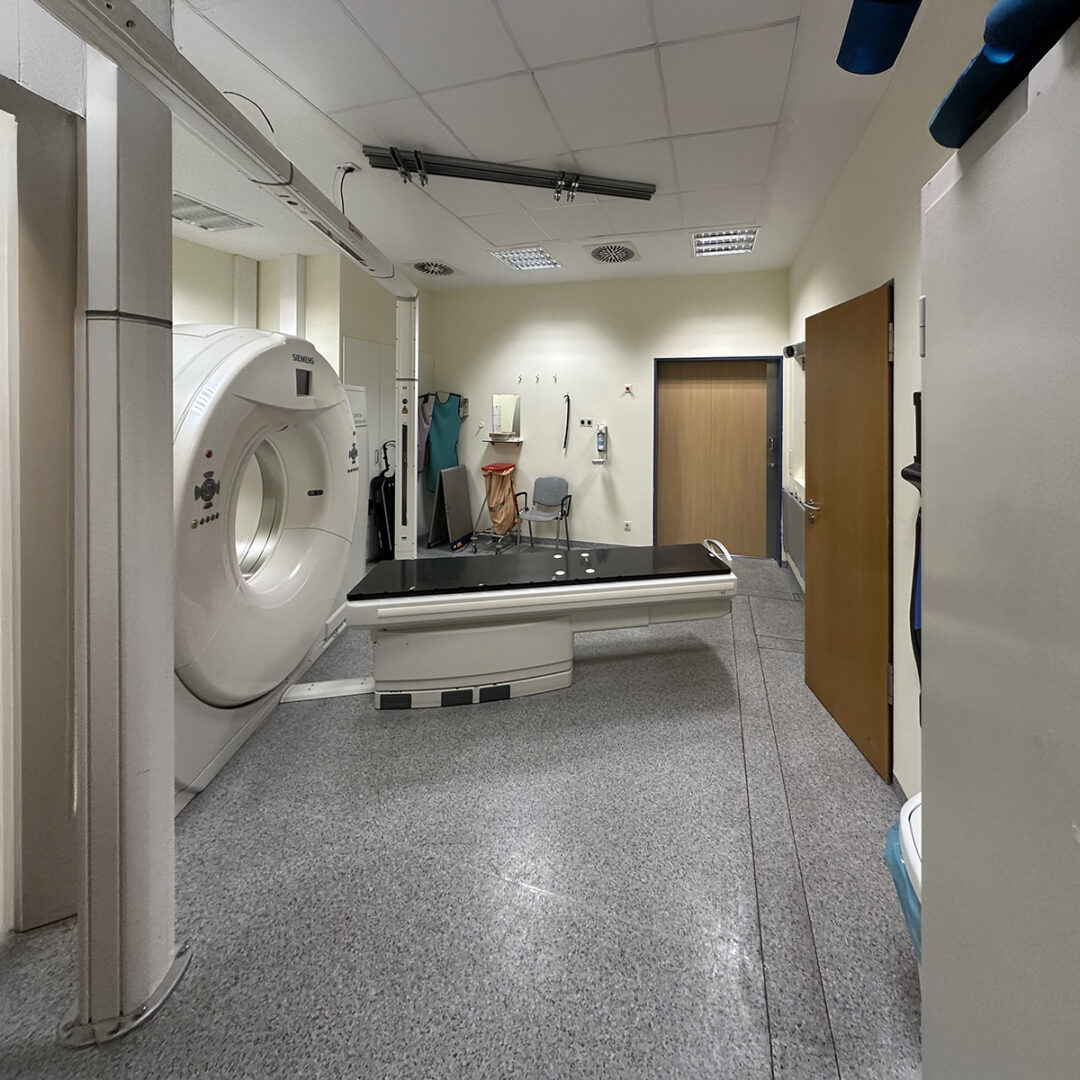
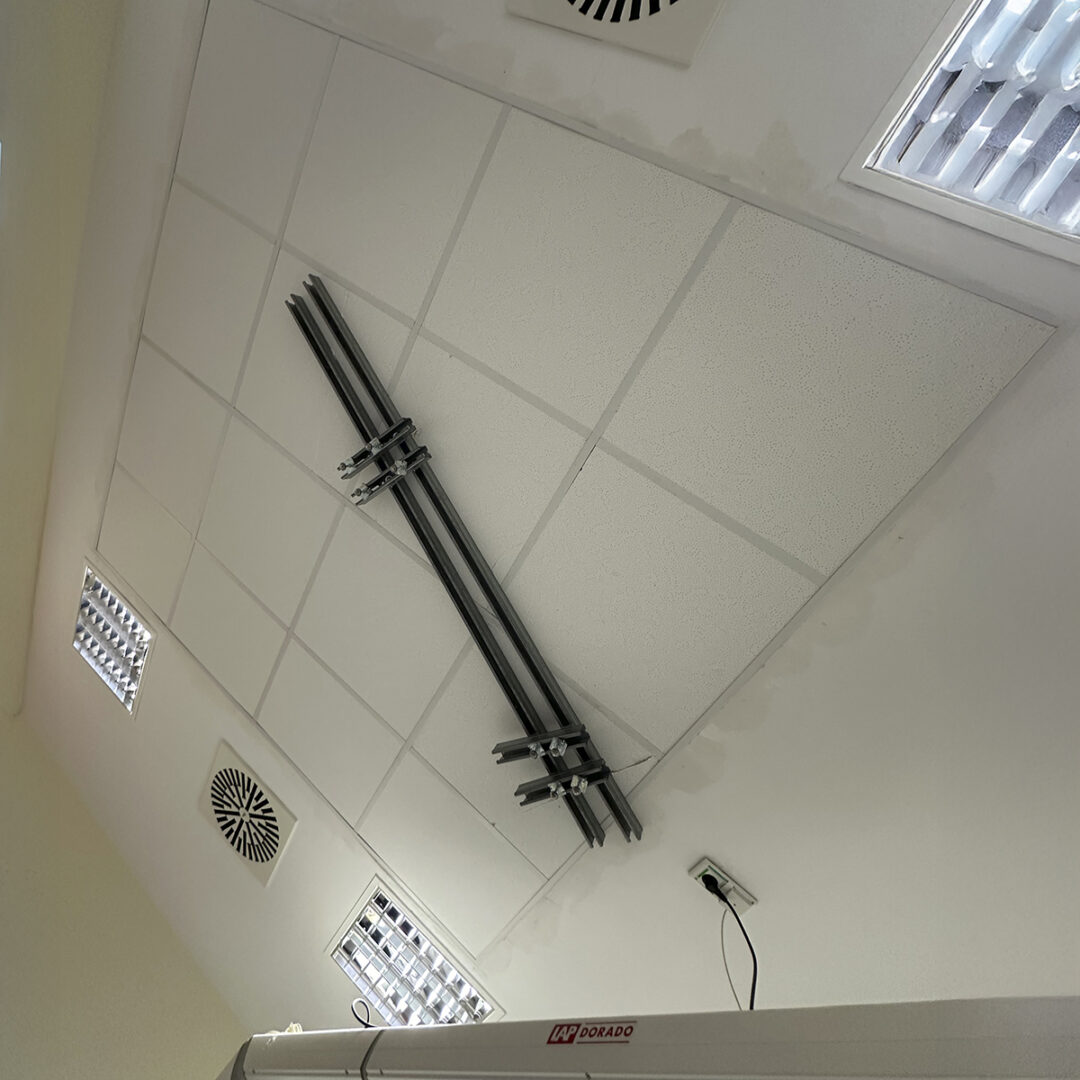
At the heart of this project is the question of how the deliberate redesign of the treatment rooms’ atmosphere—particularly through the use of color on walls, ceilings, floors, and furnishings —can help reduce feelings of anxiety and stress and improve quality of life during therapy.
The Background
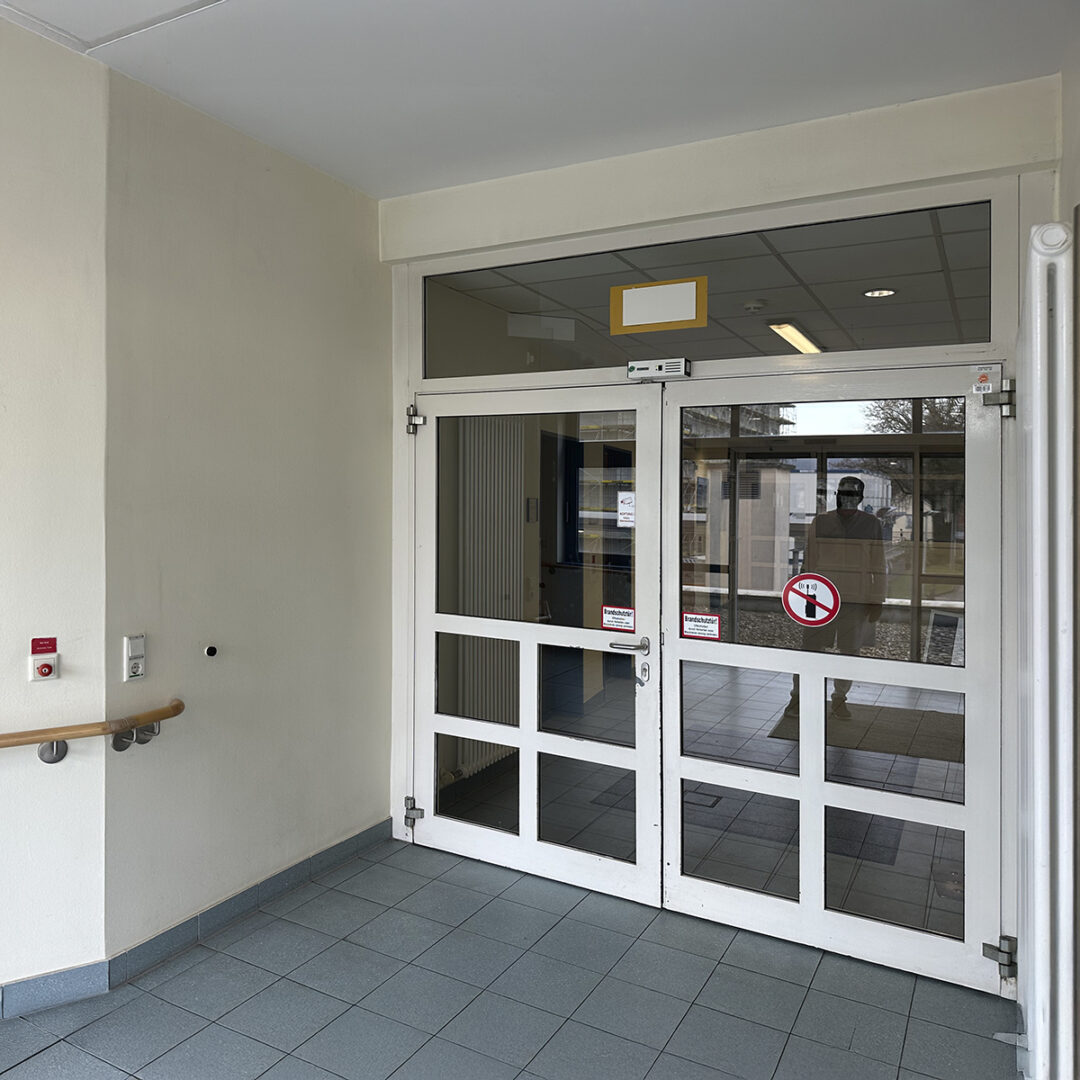
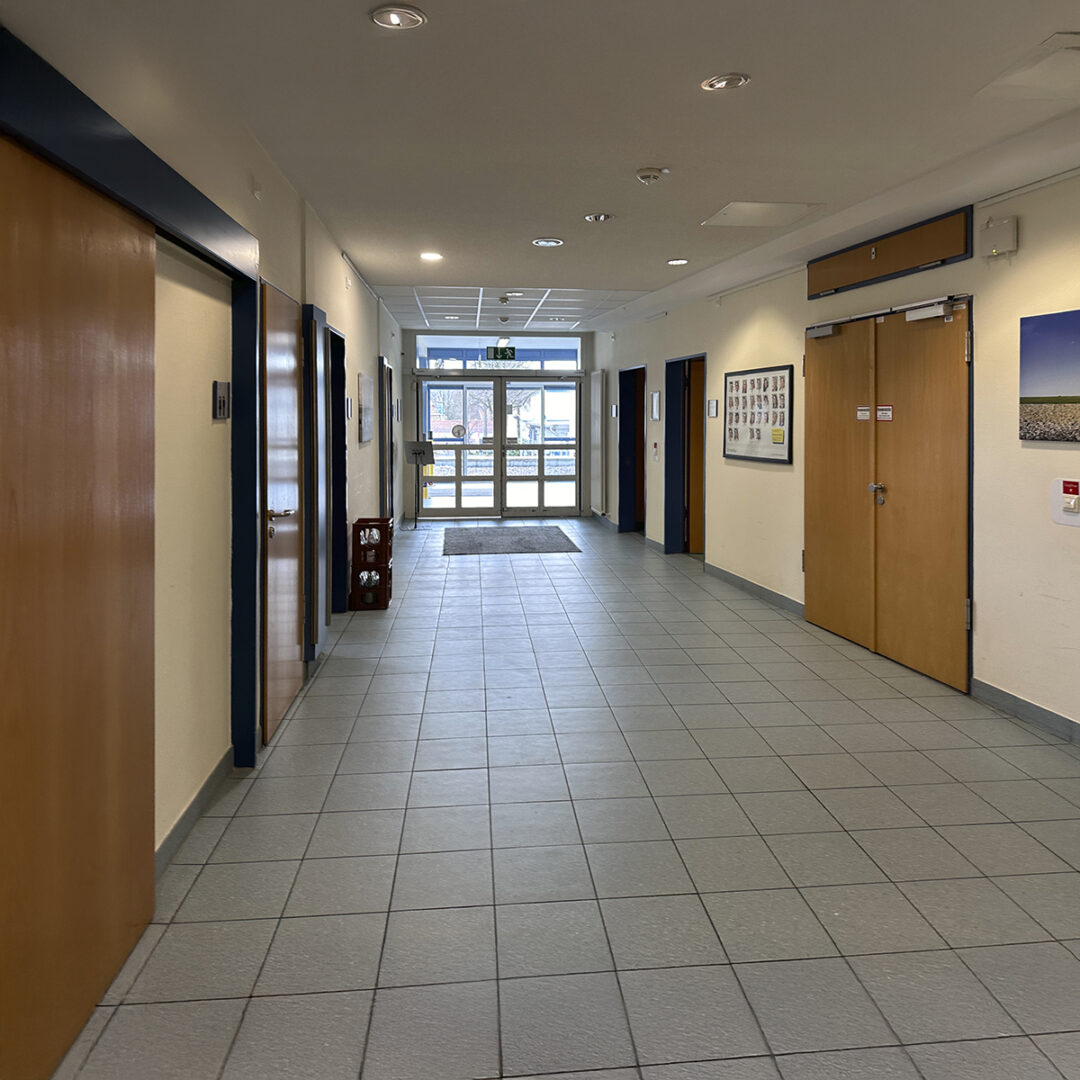
For many patients, radiation therapy is associated with severe emotional distress. The technical nature of the treatment, the cold rooms, and the feeling of being at the mercy of the machine—all of these factors can exacerbate feelings of insecurity, anxiety, and depressive symptoms. Studies show that up to 50% of breast cancer patients experience anxiety during radiation therapy.
At the same time, findings in environmental and color psychology show that colors and materials used thoughtfully in design can significantly influence emotional responses, the perception of spaces, and subjective well-being—especially in highly sensitive medical settings.
Purpose of the Study
The study examines whether and how a thoughtfully designed interior environment—featuring surface designs based on color psychology and atmospheric qualities—has a positive effect on:
- Anxiety and Stress Levels
- Quality of life
- Treatment Acceptance
has an impact. The role of light quality is also taken into account to a lesser extent, for example, by selecting appropriate light sources to enhance the room’s atmosphere.
Course Structure
The study compares two groups of breast cancer patients receiving radiation therapy:
- Group 1 will be treated in the existing (neutral) rooms.
- Group 2 is treated in rooms that have been redesigned to create a more inviting atmosphere, with colors and decor intended to promote a greater sense of well-being.
In addition to sociodemographic and clinical data, the study also collects psychological parameters such as anxiety (STAI), subjective stress levels (Distress Thermometer), and quality of life (EORTC QLQ-C30 / QLQ-BR42).
The Interdisciplinary Team
The project brings together expertise from the fields of medicine, psychology, and color design:
- Prof. Dr. Marc D. Piroth, Department of Radiation Oncology, Helios University Hospital Wuppertal / Witten-Herdecke University
- Prof. Dr. Vesna Bjelic-Radisic, Department of Obstetrics and Gynecology, Helios University Hospital Wuppertal / Witten-Herdecke University
- Prof. Dr. Axel Buether, Chair of Visual Communication Education, University of Wuppertal
- Institute for Evidence-Based Color Psychology, Scientific Director of Color Concepts and Room Atmosphere
Perspective
This research project takes a holistic approach that goes far beyond functional interior design. The goal is to gain scientifically sound insights into how targeted design can create a healing atmosphere in everyday clinical practice—with direct benefits for the emotional well-being of female patients in stressful treatment situations.